

-
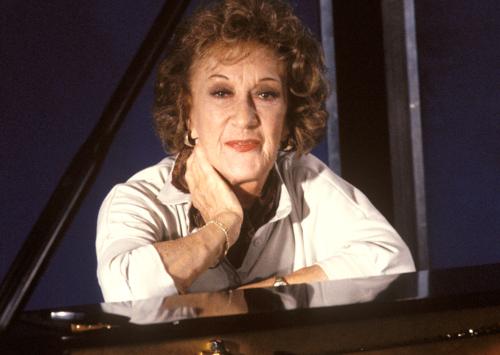
Marian McPartland discusses her career
May. 6, 1982 Marian McPartland discusses her career, the role of women in jazz, and jazz music.
-

Gian Carlo Menotti discusses his career, his operas, and his colleagues
Mar. 20, 1981 Gian Carlo Menotti discusses his career, his operas, and his colleagues. Menotti's operas they discuss are "Amelia goes to the Ball", "The Consul", and "The Medium".
-
Ron Modell discusses the Jazz band at Northwestern University, Chicago
Jul. 3, 1980 Studs interview with Ron Modell, Associate Professor of Trumpet and Director of the Jazz program at Northwestern University, Chicago. Modell talks about his students and their work in the band. He names some of his students and speaks of their individual work. He highlights their performances, awards, and future careers of those in the band. The musical numbers are removed from this edited version of the original recording.
-
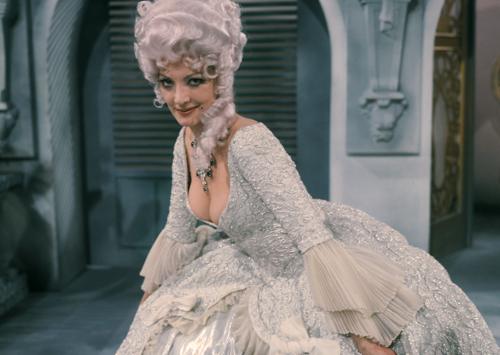
Anna Moffo discusses her career as an opera singer
May. 11, 1978 Anna Moffo discusses her career as an opera singer, opera composers, and opera music.
-
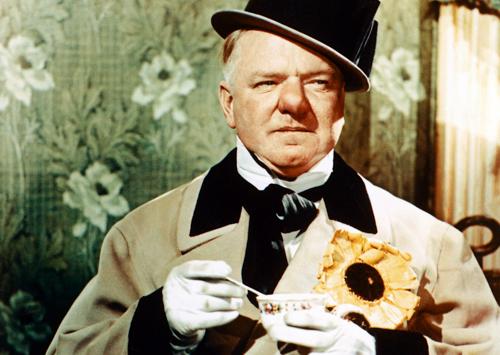
Carlotta Monti discusses W.C. Fields and her book "W.C. Fields & Me"
Jun. 7, 1971 Carlotta Monti discusses W.C. Fields and her book "W.C. Fields & Me".
-
Christopher Moore discusses his career
1987 Studs Terkel discusses the Chicago Children's Choir with the director and founder, Christopher Moore. They discuss the following: how to produce the sound; training units; patience; age spread; sing-a-long; child vs. adult projects; and various types of heritage music that makes up their repertoire. The following musical excerpts are presented: "Dark Winter Days"; "Angels and Shepherds"; "Illinois"; and "Go Tell It on the Mountain".
-
Max Morath discusses his career and jazz music
Jun. 18, 1970 Max Morath discusses his career, jazz music, and history.
-
Ivan Moravec discusses his career and classical pianists
Nov. 12, 1969 Ivan Moravec discusses his career, classical pianists, and composers. He also discusses his colleagues or contemporary pianists.
-
Carol Neblett and Richard Stillwell discuss their careers and their roles in the opera "Don Giovanni"
Nov. 18, 1980 Studs Terkel interviews opera singers, Carol Neblett and Richard Stillwell, as members appearing in the Lyric Opera production of "Don Giovanni". They discuss their characters, Elvira and Don. Carol Neblett and Richard Stillwell discuss their careers.
-
Danny Newman discusses his career as a theatrical press agent for opera theaters and his book, "Subscribe Now"
Apr. 2, 1982 Studs interview with Danny Newman, Public Relations Council for the Lyric Opera Company. Newman shares his theatrical opera introductions and discusses a variety of performers and operas for the Lyric Opera Company season.