

-

A conversation with Ray Still
Jun. 4, 1996 Interviewing the oboist and director of the Quadrangle Chamber Players, an ensemble of nine musicians from the Chicago Symphony Orchestra.*Please note: some sections have been edited out from the original recording due to copyright considerations
-
Talking about piano instruction, with David Sudnow
Jun. 20, 1989 The unconventional music teacher returns to the studio to continue lessons from his book, Ways of the Hand: The Organization of Improvised Conduct.*Please note: some sections have been edited out from the original recording due to copyright considerations
-
Talking about piano instruction, with David Sudnow
Dec. 14, 1987 The sociologist, music teacher, and author joins Studs to talk about his book, Ways of the Hand: The Organization of Improvised Conduct, and his unconventional approach to piano instruction.*Please note: some sections have been edited out from the original recording due to copyright considerations
-
An interview with Patricia Sullivan
Mar. 29, 1996 The American history professor and author talks with Studs about her book, Days of Hope: Race and Democracy in the New Deal Era. This program also includes excerpts of interviews from Terkel's Hard Times series.*Please note: some sections have been edited out from the original recording due to copyright considerations
-
Talking about A Streetcar Named Desire, with Jackie Taylor
Mar. 23, 1987 The playwright, director, actress, and founder of the Black Ensemble Theater joins Studs to discuss her role as Blanche DuBois in the Tennessee Williams play, A Streetcar Named Desire.*Please note: some sections have been edited out from the original recording due to copyright considerations
-
A conversation with Catherine McNicol Stock
Mar. 6, 1997 The author and history professor join Studs to discuss her book, Rural Radicals: Righteous Rage in the American Grain.*Please note: some sections have been edited out from the original recording due to copyright considerations
-
Talking baseball, with John Thorn and Pete Palmer
Apr. 13, 1993 The editors of Total Baseball, an encyclopedia and stats reference book, sit down with Studs to talk about the history of the game in relation to American history.*Please note: some sections have been edited out from the original recording due to copyright considerations
-
Talking about skyscrapers, with Stanley Tigerman and Stuart Cohen
Jun. 23, 1980 The architects sit down with Studs to discuss their two-volume book project - Chicago Tribune Tower Competition (about the 1922 Tribune administrative building design submissions) and Late Entries (about a 1980 interpretation of the earlier competition).*Please note: some sections have been edited out from the original recording due to copyright considerations
-
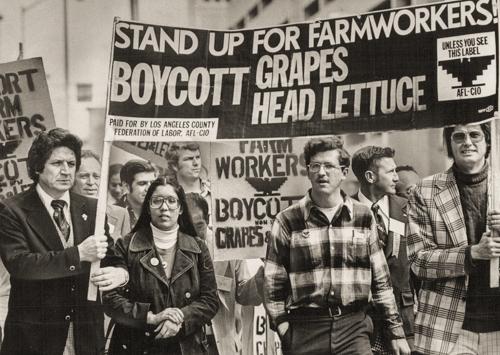
Advocacy
Whether discussing the plight of migrant farm workers, the state of public schools, society’s policies around drug laws or the prison system, Studs Terkel frequently devoted episodes of his radio program to challenging and lively discussions with advocates of social change.
-
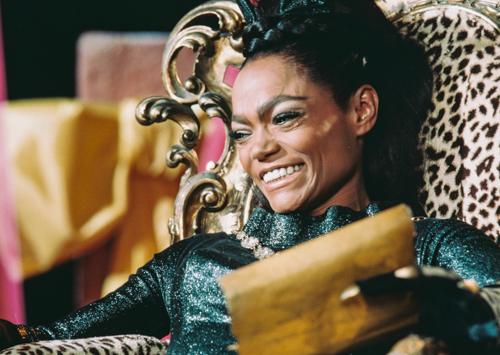
African-American History and Culture
Who and what is to be considered African American history and culture? History is commonly defined as the summary of a people’s past, often captured as a story with particular people and events coming to the fore, and culture broadly describes the ways in which people live and structure their lives.