

-
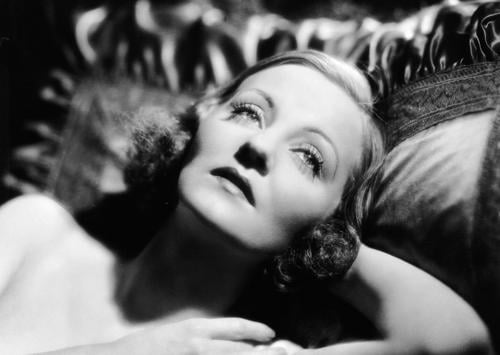
Actress Tallulah Bankhead discusses her career
Jul. 15, 1960 Tallulah Bankhead thought she would become an aerialist when she grew up. At 16, after she saw some plays, Bankhead decided to go into acting. Bankhead never received any formal training and yet some experts in the theatre world called her “a natural”. In a surprise revelation, Bankhead said she does not attend the theatre as an audience member. She went on to say she likes to read books, watch television, and she loves her San Francisco Giants.
-

Edith Mason discusses her childhood and career in the opera ; part 1
1966 Madam Mason discusses her childhood as it pertains to her career. She shares her training and study in Paris. Mason recalls the many composers and conductors she has worked with and the various opera companies she worked for. The musical numbers are removed from this edited version of the original recording.
-
-
Discussing bicentennial time and interviewing Otto Friedrich
Jun. 1, 1975 Otto Friedrich discusses his "Time" magazine piece, his writing, and American history. Songs "Yankee Doodle Dandy," "Free America" by Joseph Warren, a German song, an 18th century Boston Tea Party song, and an 18th-century British soldier song have been removed for copyright restrictions.
-
Interview with Michael Frayn ; part 2
1968 Interviewing satirist Michael Frayn, followed by excerpts of humor by Spike Milligan, Flanders & Swann, Cooke & Moore while Studs was in London.
-
-
Studs Terkel talks with artist Gene Hall and Dr. Paul Mundy about the painting "The Black Christ Not Worthy of Its Cross" ; part 2
Sep. 21, 1965 Studs Terkel interviews the artist Gene Hall who created "The Black Christ Not Worthy Of Its Cross" and the head of the Loyola University Sociology Department, Dr. Paul Mundy, who used the title and painting reproduction to spark classroom discussions. Hall describes the creation of his 6 ft tall by 2 1/2 feet wide painting and how seeing the color of Christ diminishes Christ. You don't see Christ when you see color. Hall uses barbed wire instead of thorns in the painting to signify there is no time in painting, it is up to date.
-
Studs Terkel interviews Professor Charles V. Hamilton on his book written with Stokely Carmichael entitled "Black Power: Politics of Liberation in America" ; part 2
Nov. 21, 1967 Using the backdrop of James Baldwin's "Nobody Knows My Name" and Baldwin's feelings that Blacks were ashamed of where they came from, Terkel interviews Professor and Chairman of the Political Science Department of Roosevelt University on his book coauthored with Stokely Carmichael entitled" Black Power: Politics of Liberation in America". Hamilton states that Blacks were taught to hate themselves and leave school believing that. Institutional racism and the deliberate oppression it creates, holds blacks back. Blacks are left out of crucial decision making processes that concern them.
-
-