

-
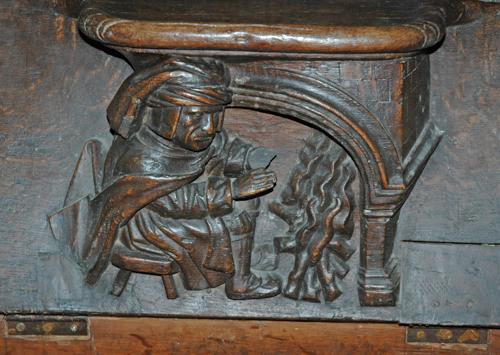
Dorothy and Henry Kraus discuss the book "The Hidden World of Misericords."
Feb. 10, 1976 Dorothy and Henry Kraus describe how they discovered an entire European collection of church-located woodcarvings depicting a wide variety of scenes crafted by local artisans. Hundreds of years of political, religious, and social events shaped the portrayals, and they explore many of the illustrations in their book, focusing on the themes of labor, animals, and religion. They marvel at the skill and craftsmanship and observe that the works can be a rich source of primary research material for modern scholars.
-

Interviewing the author Joan McIntyre
Oct. 1974 Discussing the book "Mind in the water: whales, dolphins, & porpoises" and interviewing the author Joan McIntyre.
-

-

John West discusses Stan Laurel and Oliver Hardy
Nov. 2, 1965 John West discuss early classical Hollywood comedy double act Stan Laurel and Oliver Hardy. Four clips are played during the interview. The first three clips are from Laurel and Hardy's "Their First Mistake" (1932) and the fourth clip is from Laurel and Hardy's "Swiss Miss" (1938).
-
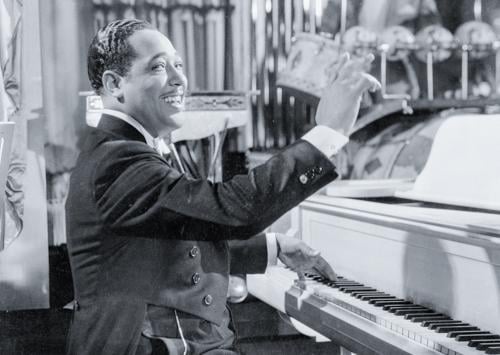
Celebrating jazz composer and musician Duke Ellington's birthday with jazz scholar and historian Richard Wang
Apr. 9, 1991 Celebration for Duke Ellington's birthday
-

Discussing "The Understudy" and interviewing Elia Kazan
Jan. 3, 1975 Discussing "The Understudy : a Novel" and interviewing Elia Kazan.
-

Thomas Keneally discusses the book "Schindler's List"
Nov. 12, 1982 Thomas Keneally discusses the book "Schindler's List," detailing the actions of Oskar Schindler saving Jews during WWII.
-
John Cage and Merce Cunningham discuss their collaborations, careers, choreography, and music
Mar. 10, 1975 John Cage and Merce Cunningham discuss their collaborations of choreography and music. They discuss their influences and careers. Includes a clip of an earlier interview with John Cage.
-
Alistair Cooke discusses his book "Alistair Cooke's America"
Oct. 30, 1974 Discussing the book "Alistair Cooke's America" and interviewing the author Alistair Cooke.
-
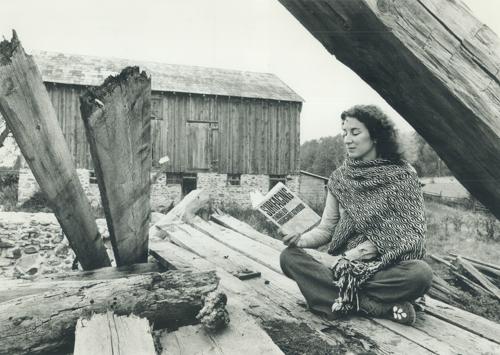
Margaret Atwood discusses her poetry and her novel, "Surfacing"
Jan. 28, 1976 Canadian poet and novelist Margaret Atwood discusses her poetry and her first novel, “Surfacing,” focusing on the novel’s symbolism and the themes of nature, religion and memory. She compares life, attitudes, and politics in Canada with those of the United States.