

-

Discussing Concerned Care, Inc., a Chicago home nursing service, with Debbie Zack and Denise Hennessey
Sep. 2, 1985 Studs Terkel interviews Debbie Zack and Denise Hennessey about their careers as nurses and why they decided to go into home nursing services.
-
Interviewing environmentalists and a representative from Commonwealth Edison
Jun. 26, 1986 Studs Terkel discusses the energy and environment with Scott Bernstein, Frank Clark, and Amory B. Lovins. They talk about the company, Commonwealth Edison, and how the city has the right to grant or not grant franchises.
-

Allen Ginsberg and Philip Glass talk about their collaborations
Apr. 16, 1990 Discussing the opera "Hydrogen Jukebox," with poet Allen Ginsberg and composer Philip Glass.
-
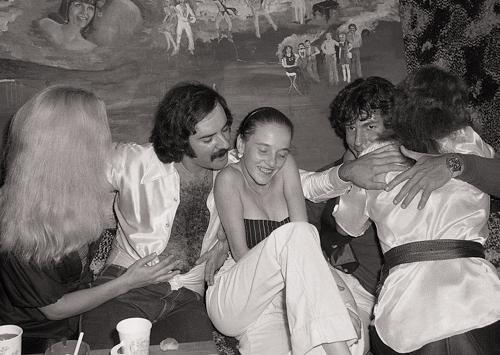
Discussing the book "The Village of Vice" with Candy Armstrong-Jones
Apr. 1, 1968 Interviewing Candy Armstrong-Jones (Cathy Zmuda).
-
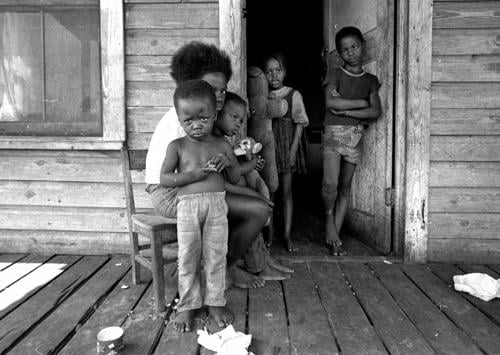
Mitchell Ginsberg, Edward Schwartz and Daniel Thurz discuss poverty in America and War on Poverty legislation
Dec. 8, 1964 Mitchell Ginsberg, Edward Schwartz and Daniel Thurz discuss poverty in America and War on Poverty legislation. Ginsberg is the associate dean of the School of Social Work at Columbia University, Schwartz is the George Herbert Jones professor of social work in the School of Social Service Administration at the University of Chicago, and Thurz is an associate professor of social work at the University of Maryland.
-
Norman Thomas and Lillian Smith discuss dissenting ; part 2
Nov. 11, 1961 Content Warning: This conversation includes racially and/or culturally derogatory language and/or negative depictions of Black and Indigenous people of color, women, and LGBTQI+ individuals. Rather than remove this content, we present it in the context of twentieth-century social history to acknowledge and learn from its impact and to inspire awareness and discussion. Lillian Smith's father taught her that we're all human beings and that no one was better than another person.
-
Lillian Smith discusses her books; part 3
Nov. 11, 1961 Content Warning: This conversation includes racially and/or culturally derogatory language and/or negative depictions of Black and Indigenous people of color, women, and LGBTQI+ individuals. Rather than remove this content, we present it in the context of twentieth-century social history to acknowledge and learn from its impact and to inspire awareness and discussion. Lillian's Smith first book was "Strange Fruit." Smith said people that were reading that book covered up the book jacket so no one could see the title of the book.
-
Interview with Win Stracke, Henry Glass and Ann Karen
Jul. 30, 1965 Interviewing folk singer Win Stracke, Henry Glass and Ann Karen.
-
Singer-songwriters Florence Reece and Pete Seeger discuss writing songs
Mar. 17, 1978 Known for their songs about the working class, both Florence Reece and Pete Seeger talk about how they come about writing the lyrics to songs. Seeger says unbeknownst to them, anyone can write a song. Included within this interview, Seeger plays the banjo and Reece sings a song.
-