

-

Walter Bernstein discusses his book "Inside Out: A Memoir of the Blacklist"
Dec. 10, 1996 American screenwriter, Walter Bernstein, discusses his book "Inside Out: A Memoir of the Blacklist", a memoir about his life during and following his blacklisted status due to his alleged communist views. Bernstein uses the case of John Henry Faulk versus Laurence A. Johnson to serve as an example of how the entertainment industry was being diminished during this time.
-
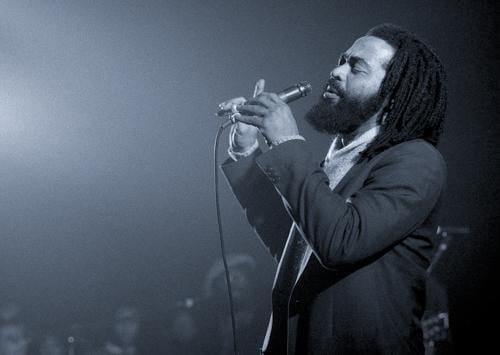
John Holt discusses his book "Escape from Childhood"
Jul. 11, 1974 Discussing education and interviewing John Holt.
-
Pierre Burton discusses his book “The Impossible Railway”
Oct. 1972 Pierre Burton, Canadian writer and journalist, discusses his book “The Impossible Railway,” touching on topics including the significance of the Canadian Pacific Railway, poor labor conditions on the railway, and differences between America and Canada. Content Warning: This conversation includes racially and/or culturally derogatory language and/or negative depictions of Black and Indigenous people of color, women, and LGBTQI+ individuals.
-
Martin Bernal discusses Chinese politics and history
Interviewing Martin Bernal, British scholar of Chinese political history. He discusses various aspects of Chinese history, including the Cultural Revolution, communism, and Chairman Mao.
-
Bruno Bettelheim discusses his book “The Children of the Dream”
Interviewing Bruno Bettelheim, writer, scholar, and child psychologist, on his book “The Children of the Dream.” He also discusses his work at the Sonia Shankman Orthogenic School for Disturbed Children in Chicago. Content Warning: This conversation includes racially and/or culturally derogatory language and/or negative depictions of Black and Indigenous people of color, women, and LGBTQI+ individuals. Rather than remove this content, we present it in the context of twentieth-century social history to acknowledge and learn from its impact and to inspire awareness and discussion.
-
-
Jonathan Raban reads from and discusses his book "Hunting Mr. Heartbreak"
May. 15, 1991 With his book, "Hunting Mr. Heartbreak: A Discovery of America," Jonathan Raban wanted to see if, in the 20th century, a man could have a new life in America. Raban traveled to New York City, to the deep south in Alabama, to Seattle and finally to the Florida Keys.
-
Jonathan Raban discusses his book "Bad Land"
Dec. 6, 1996 Living in Montana in the early 20th century had many hardships, as covered in Jonathan Raban's book, "Bad Land: An American Romance". Raban said people were looking for new lives in the west but they encountered prairie fires, hail storms and grasshopper plagues.
-
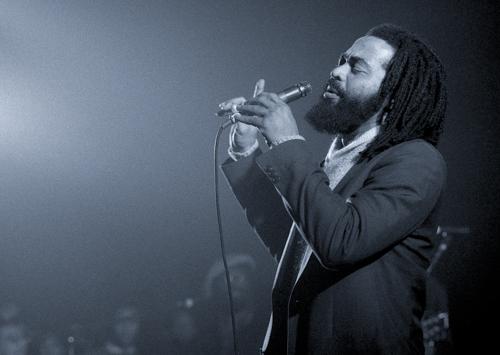
John Holt discusses his book "Never Too Late: My Musical Life Story"
Nov. 17, 1978 Interviewing John Holt about education.
-
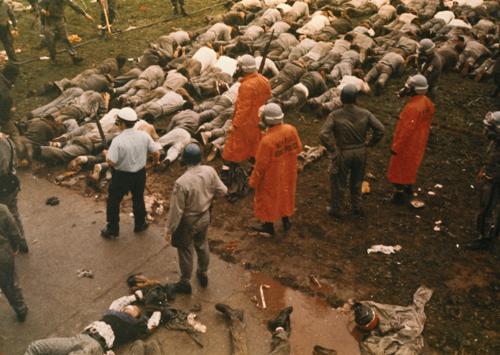
Herman Badillo discusses "A Bill of No Rights: Attica and the American Prison System"
Jun. 26, 1972 Congressman Herman Badillo discusses the prisoner uprising at Attica Correctional Facility in upstate New York, and how race played a role in the unwarranted killing of inmates and the subsequent government and administrative cover up of the incident. Badillo reads excerpts from his book, "A Bill of No Rights: Attica and the American Prison System," and discusses prisoner rights, rehabilitation, and the endemic injustice and racism in the American prison system.