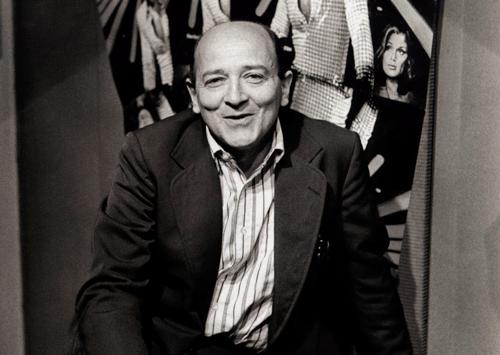
00 / 00 Interviewing economist Robert Theobald BROADCAST: Apr. 3, 1980 | DURATION: 00:54:46 Details Broadcast Date Apr. 3, 1980 Physical Format 1 sound tape reel (ca. 55 min.) : 10 1/2 in. Duration 54 minutes, 46 seconds Digital Format WAV Ownership The Chicago History Museum Language English Topics Working, Labor, Economy People Business People Tags WFMT (Radio station : Chicago, Ill.) Theobald, Robert--Interviews Economists--United States--20th century--Interviews Audiotapes. Radio programs. Theobald, Robert,-- interviewee Related Programs Interviewing Jane Stern Dec. 18, 1975 Robert Conot talks with Studs Terkel about his book "Rivers of blood, years of darkness" about the Watts riots 1970 A London cab driver discusses traffic and Karel Reisz talks about making movies 1962 Gordon Thomas discusses his book “The Day the Bubble Burst: A Social History of the Wall Street Crash of 1929” Oct. 16, 1979 Laurie Abraham reads from and discusses her book "Mama Might Be Better Off Dead" Oct. 1, 1993 Interviewing a Scottish newspaper vendor George Curry and British journalist James Cameron Feb. 18, 1976