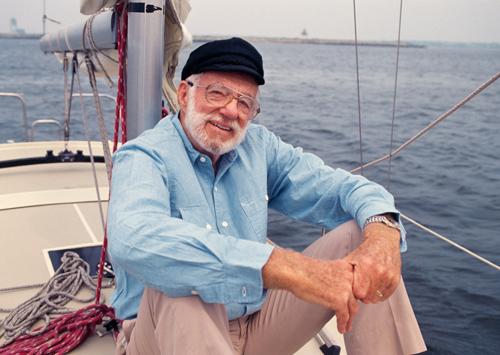
Interview with children of war BROADCAST: Nov. 18, 1986 | DURATION: 00:58:12 Digital audio not yet public. Synopsis Interviewing children of war. Details Broadcast Date Nov. 18, 1986 Physical Format 1 sound tape reel (ca. 55 min.) : 10 1/2 in. Duration 58 minutes, 12 seconds Digital Format WAV Ownership The Chicago History Museum Language English Topics Childhood & Youth World History & Politics People Students Tags WFMT (Radio station : Chicago, Ill.) Children and war Audiotapes. Radio programs. Related Programs Lois Wheeler Snow discusses her book "China on Stage" Dec. 19, 1972 Discussing the book "The Character Factory: Baden-Powell and the Origins of the Boy Scout Movement" with the author, Columbia College Professor of English and Comparative Literature, Michael Rosenthal Oct. 27, 1986 Dr. Benjamin Spock and Dr. Michael B. Rothenberg discuss the 40th anniversary of the book “Baby and Child Care” Mar. 11, 1985 Charles L. Mee discusses his book "Meeting at Potsdam" Apr. 10, 1975 Donald and Wendy Woods discuss the anti-apartheid movement in South Africa Oct. 23, 1987 Donald Sassoon discusses his book “One Hundred Years of Socialism: The West European Left in the Twentieth Century” May. 2, 1997