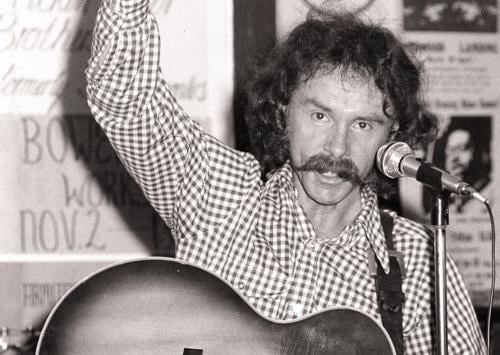
Discussing segregationist songs from Biloxi, Mississippi and interviewing John Martin BROADCAST: 1960 | DURATION: 00:46:40 Digital audio not yet public. Details Broadcast Date 1960 Physical Format 1 sound tape reel (ca. 60 min.) : 7 in. Duration 46 minutes, 40 seconds Digital Format WAV Ownership The Chicago History Museum Language English Topics Music Music - Blues & Gospel Tags Martin, John--Interviews Racial discrimination--United States. Audiotapes. Radio programs. Martin, John,-- interviewee WFMT (Radio station : Chicago, Ill.) Related Programs Interviewing Bob Gibson Nov. 20, 1963 Interviewing British conductor Sir John Pritchard Dec. 15, 1987 Presenting music from "Orpheus Descending: An Opera in Two Acts," with composer Bruce Saylor May. 19, 1994 Discussing the book "Biography of a Hunch: The History of Chicago's Legendary Old Town School of Folk Music," with author Lisa Grayson and the Executive Director of the Old Town School of Folk Music, Jim Hirsch Feb. 11, 1993 Jim Post and Win Stracke ; part 2 1975 Interviewing author and Lyric Opera publicist Danny Newman Nov. 2, 1992