Main navigation

  • Home
  • Explore
  • Interact
      • Clips Explore themed playlists of audio clips from the Archive.
      • Reuse Listen to creative reuses of Studs’ interviews.
      • Remix Combine audio from the Archive to create entirely new works.
  • Podcast
  • Classroom
  • Donate

00 / 00

Discussing Nigeria and interviewing Charles Keil

BROADCAST: 1967 | DURATION: 00:43:26

Details

Broadcast Date
1967

Physical Format
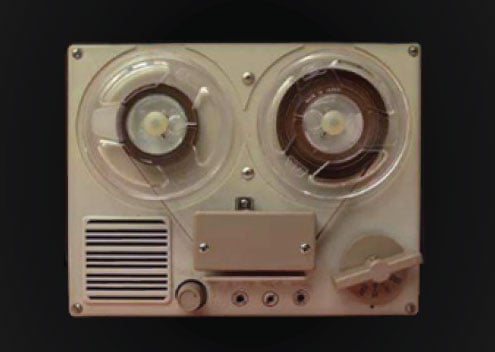
1 sound tape reel (ca. 60 min.) : 10 1/2 in.

Duration
43 minutes, 26 seconds

Digital Format
WAV

Ownership
The Chicago History Museum

Language
English

Topics

Music - World Music Music World History & Politics

People

Academics

Tags

Keil, Charles Audiotapes. Radio programs. WFMT (Radio station : Chicago, Ill.)

Related Programs

Singer Tony Bennett pays tribute to Irving Berlin

May. 10, 1989

Interviewing folksingers, songwriters and maritime music specialists Tom and Chris Kastle

Dec. 23, 1993

Win Stracke and Ray Tate sing, play, and discuss the book "Songs of Man" ; part 3

Dec. 6, 1965

Carl Vigeland discusses his book about the Boston Symphony Orchestra

Feb. 8, 1990

Christopher Durang discusses his play "A History of the American Film" and "Sister Mary Ignatius Explains It All For You"

Dec. 7, 1984

Presenting music with Irish singer and harpist Mary O'Hara

Feb. 16, 1989

Major Support Provided By
The Becca Kopf Memorial Circle of Friends
WFMT Radio Network & Chicago History Museum

This site is being managed by WFMT in partnership with the Chicago History Museum.

Library of Congress

In-kind digitization services of the Studs Terkel Radio Archive are provided by the Library of Congress.

National Endowment for the Humanities

The Studs Terkel Radio Archive has been made possible in part by a major grant from the National Endowment for the Humanities: Exploring the human endeavor.

Studs Terkel Radio Archive

All Programs About The Archive About Studs Supporters Contact

©2026 WFMT Radio Network | Site by Jell Creative

Any views, findings, conclusions, or recommendations expressed in this web resource do not necessarily represent those of the National Endowment for the Humanities.