

-
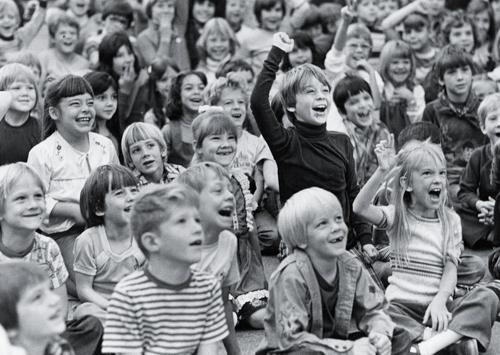
Diane Divorky discusses her book "The Myth of the Hyperactive Child: And Other Means of Child Control"
Oct. 24, 1975 Topics of discussion include privacy in education and access to school records, the use of pseudo-scientific terminology in describing children, the ways that a child's records are shared outside of the school and related race and class issues, the pharmaceutical industry and treatments, and the importance of parents refusing to allow their children to be given psychological tests without their informed consent.
-

Derek Freeman discusses the book "Margaret Mead and Samoa"
Mar. 15, 1983 Discussing the book "Margaret Mead and Samoa the making and unmaking of an anthropological myth" with the author Derek Freeman.
-
Del Close discusses hipsters and comedy
May. 15, 1970 Del Close discusses hipsters, what is hip, and comedy. Includes a clip of Del Close and his colleague John Brent from the beatnik satire "How to Speak Hip".
-
Debbie Sweet discusses what happened when she met President Nixon
Dec. 22, 1970 On December 3, 1970, Debbie Sweet won the Young Americans Service Award. She talks about what happened when she met President Nixon to receive her award. Upon shaking his hand, Sweet told President Nixon that she didn't believe in his sincerity in giving out the awards until he got us (America) out of Vietnam. Her encounter with President Nixon made headlines around the world.
-
Darcy Frey reads from and discusses his book "The Last Shot"
Dec. 8, 1994 Basketball, subjects in school, and dreams of going pro are topics covered in Darcy Frey's book, "The Last Shot: City Streets, Basketball Dreams." The main characters from Frey's book all come from impoverished backgrounds and if they can't make the pro's, they hope to break out of their current situations.
-
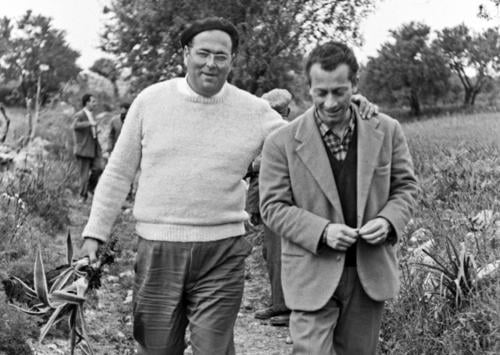
Danilo Dolci discusses his career, life in Italy, and his book "The Man Who Plays Alone"
1970 Danilo Dolci discusses his life in Italy, his book "The Man Who Plays Alone", architecture, agriculture, social activism, his inspirations, and his career. Tom Cornell translates for Danilo Dolci. Includes at the end of the program an Italian song by Jerre Mangione and an Italian song called "Bella Ciao".
-
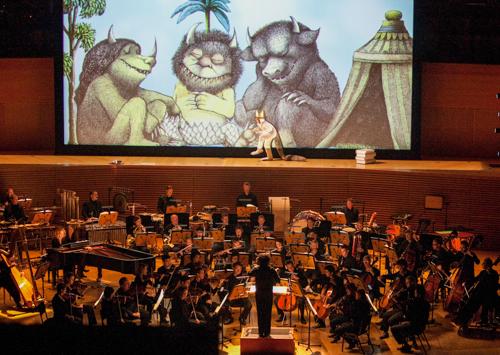
Composer Oliver Knussen discusses his opera adaptation of "Where the Wild Things Are"
Dec. 13, 1988 Oliver Knussen discusses his adaptation of "Where the Wild Things Are", which was beginning production at the Chicago Opera Theater, Chicago.
-
-
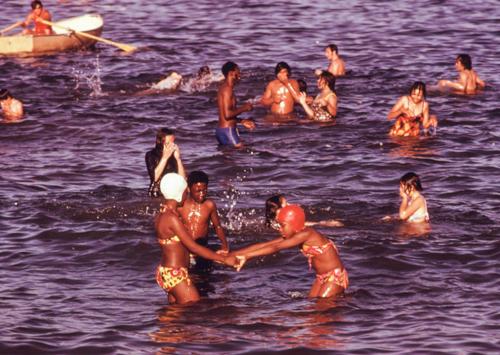
Clifford Burke, Marilyn Nelson and Earl Doty discuss young people ; part 1
1968 Talking to Earl Doty, Clifford Burke, Marilyn Nelson, and West Side kids after the 1968 Chicago Riots. Clifford Burke had already retired from the CTA. As president of the Mile Square Federation, he talks about the youth community of the West side of Chicago, and the need for recreation opportunities for them. Marilyn Nelson is a student from California working in west-side Chicago as an advocate for the community. Studs also talks to Earl Doty, while riding in a car, about the neighborhood youth. There are sounds of hydrants being opened and the children playing.
-
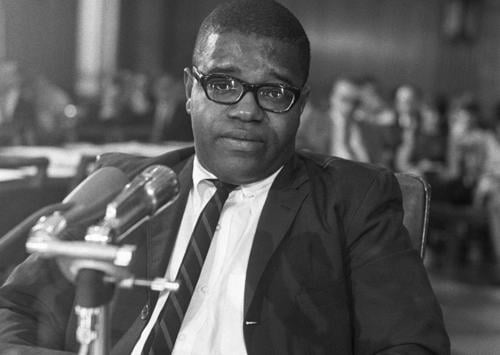
Claude Brown talks with Studs Terkel
Sep. 13, 1965 Discussing the book "Manchild in the Promised Land" with Claude Brown. Brown also discusses growing up in Harlem, New York as an African American man. Includes a clip of a man speaking from the county jail. Includes a song sung by Mahalia Jackson. Includes a clip of children singing.
-
Christopher Moore discusses his career
1987 Studs Terkel discusses the Chicago Children's Choir with the director and founder, Christopher Moore. They discuss the following: how to produce the sound; training units; patience; age spread; sing-a-long; child vs. adult projects; and various types of heritage music that makes up their repertoire. The following musical excerpts are presented: "Dark Winter Days"; "Angels and Shepherds"; "Illinois"; and "Go Tell It on the Mountain".
-
Charlotte Strongaard talks with Studs Terkel
1968 Interviewing Charlotte Strongaard while Studs was in Denmark.
-
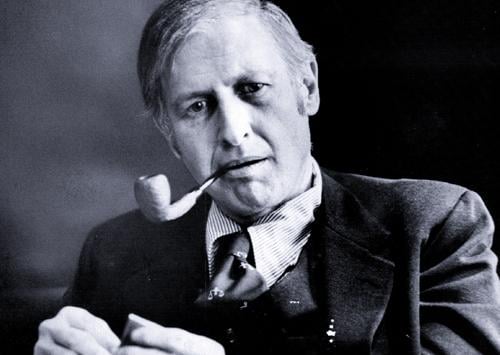
Charles E. Silberman and his wife Arlene Silberman discuss education
Sep. 15, 1970 Charles E. Silberman and his wife Arlene Silberman discuss education and Charles Silberman's book "Crisis in the Classroom". Includes a clip of Studs Terkel interviewing a student.
-
Bruno Bettelheim discusses his book “The Children of the Dream”
Interviewing Bruno Bettelheim, writer, scholar, and child psychologist, on his book “The Children of the Dream.” He also discusses his work at the Sonia Shankman Orthogenic School for Disturbed Children in Chicago. Content Warning: This conversation includes racially and/or culturally derogatory language and/or negative depictions of Black and Indigenous people of color, women, and LGBTQI+ individuals. Rather than remove this content, we present it in the context of twentieth-century social history to acknowledge and learn from its impact and to inspire awareness and discussion.
-
Bruno Bettelheim discusses his book "The Empty Fortress"; part 1
May. 1, 1967 Bruno Bettelheim discusses his book "The Empty Fortress: Infantile Autism and the Birth of the Self," and his theories on Autism and how to treat the disorder.