

-
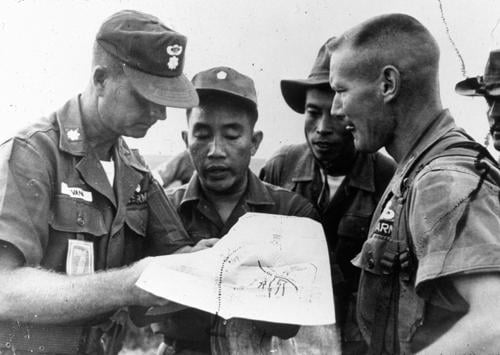
Neil Sheehan discusses his book "A Bright Shining Lie"
Nov. 1, 1988 With his book, "A Bright Shining Lie: John Paul Vann and America in Vietnam", Neil Sheehan wanted to tell what happened in Vietnam and why it happened through telling the story of Lt. Colonel John Paul Vann. Sheehan said Vann had a keen sense of reality. Vann knew if they didn't change the Saigon government into something decent that would appeal to its own people, they'd never succeed at anything other than getting American soldiers killed for nothing. Although readers will find painful experiences in the book, Sheehan explained that his book is not an anti-war book.
-

Neil and Susan Sheehan discuss their respective books “A Bright Shining Lie: John Paul Vann and America in Vietnam" and "Is There No Place on Earth for Me?"
Apr. 11, 1990 Studs Terkel speaks with journalists Neil and Susan Sheehan about their respective books “A Bright Shining Lie: John Paul Vann and America in Vietnam” and “Is There No Place on Earth for Me?” Further discussion is had about journalism and Neil and Susan’s collaborations together. Audio clips of when Neil Sheehan and Susan Sheehan were previously on Terkel’s program are played.
-
Neil and Susan Sheehan discuss journalism
Jun. 9, 1972 Studs Terkel talks with journalists Neil and Susan Sheehan about objective and responsible journalism, as well as what can influence a news story. A sound bite of photographer Jerome Zerbe is played where Zerbe discusses taking photos of the upper class during the Great Depression. Another sound bite is played of a man named Joe Begley discussing how laws created during the Great Depression should have met the needs of the people better.
-
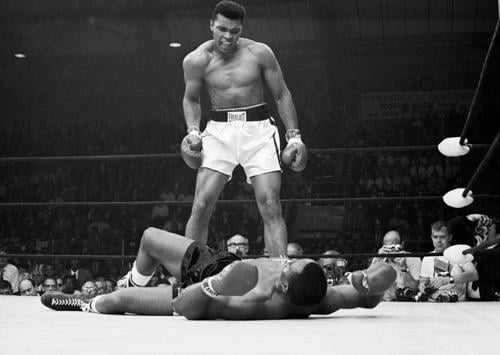
Muhammad Ali discusses his book "The Greatest: My Own Story"
Nov. 26, 1975 Content Warning: This conversation includes racially and/or culturally derogatory language and/or negative depictions of Black and Indigenous people of color, women, and LGBTQI+ individuals. Rather than remove this content, we present it in the context of twentieth-century social history to acknowledge and learn from its impact and to inspire awareness and discussion. Muhammad Ali discusses his book "The Greatest: My Own Story," touching on topics including his childhood and family, conversion to Islam, stance on the Vietnam War, and experiences in jail.
-
Maude DeVictor discusses Veterans Affairs and Agent Orange
Oct. 12, 1981 Maude DeVictor, a Veterans Affairs worker, talks about how she discovered Agent Orange after a Vietnam Veteran's widow called asking for help. DeVictor recalls her time spent calling Universities and Government Agencies trying to figure out what chemical caused the cancer and then trying to bring light to her discoveries. Studs reads two passages from Jacques Cousteau's "The Cousteau Almanac: An Inventory of Life on our Water Planet."
-
-
-
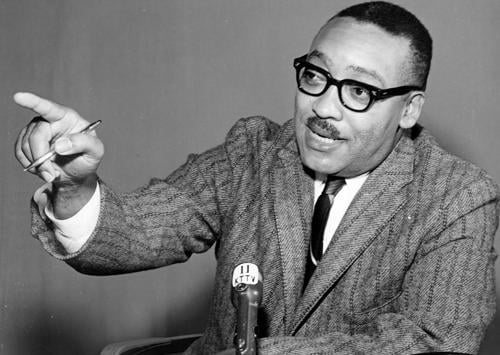
Louis Lomax discusses the book "Thailand: The War That Is, The War That Will Be"
1967 Discussing Thailand and interviewing journalist Louis Lomax. Includes passage from book.
-
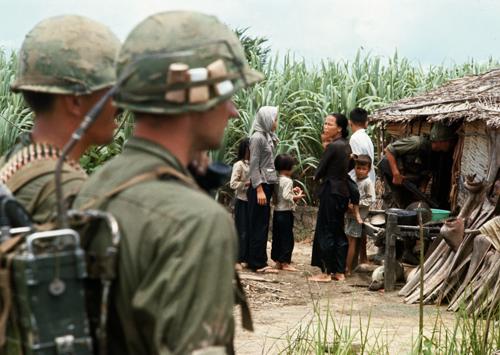
Louis Font and Ed Fox discuss their time in the military and the Vietnam War
Jun. 11, 1971 Louis Font and Ed Fox discuss their time in the military, the Vietnam War, military rituals, and West Point military academy. They express their anti-war sentiments and describe atrocities committed in Vietnam.
-
Lillian Shirley discusses North Vietnam
Apr. 4, 1973 Discussing her reflections of what she saw in North Vietnam, including the bombed hospital, Bach Mai, with former nun Lillian Shirley. An elderly woman told Shirley that she didn't blame the American people for the bombings. Despite seeing 18 of 20 buildings of the Bach Mai Medical Center totally destroyed, Shirley said she found the Vietnamese people to be most cordial and happy.
-
Larry Heinemann, Chuck Rosenburg, Saul Brody in conversation with Studs Terkel
Aug. 2, 1990 Discussing the songs and music of the Vietnam War with author Larry Heinemann, musician Chuck Rosenburg, and folk singer Saul Brody.
-
Larry Heinemann discusses his book "Paco's Story"
Nov. 14, 1986 Discussing the novel "Paco's Story" (published by Farrar, Strauss & Giroux) with the author Larry Heinemann.
-
Lady Borton discusses her book "After Sorrow"
May. 10, 1995 In her book, "After Sorrow: An American Among the Vietnamese," Lady Burton tells stories and reflects on what it was like to live among the village people in South Vietnam. Borton found the people to be smart. Among some of her stories, she learned how women carried messages and weapons through enemy territories.
-
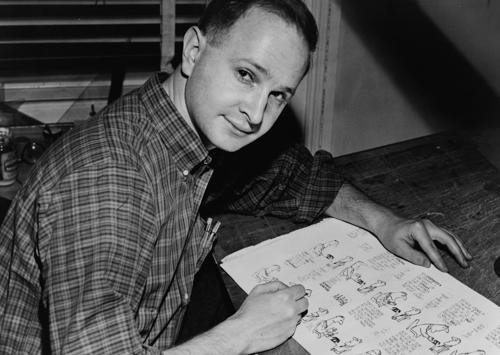
Jules Feiffer discusses his book "Feiffer on Nixon"
Nov. 10, 1974 Content Warning: This conversation has the presence of outdated, biased, offensive language. Rather than remove this content, we present it in the context of twentieth-century social history to acknowledge and learn from its impact and to inspire awareness and discussion. In his book, "Feiffer on Nixon: The Cartoon Presidency," Jules Feiffer tries to give his readers his take on politics and the government. In addition, through his descriptions of the cartoon panels, Feiffer offers his explanations of who President Nixon was.
-
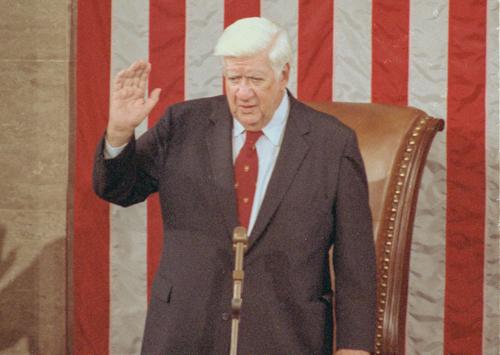
Jimmy Breslin, journalist and author discusses his book about the Watergate Affair
May. 22, 1975 Discussing "How the Good Guys Finally Won : Notes from an Impeachment Summer" and interviewing Jimmy Breslin.