

-

Frederick Manfred discusses his book "The King of Spades"
Nov. 25, 1966 Frederick Manfred's, "The King of Spades" is the last novel of the five-part series, "The Buckskin Man Tales." The west, family, and tragedy are all apart of Manfred's novel, which he said was the hardest to write. As a writer, Manfred soon learned his interests were with themes and topics as opposed to writing about history.
-
Frederick Busch reads from and discusses his book "Long Way from Home"
May. 25, 1993 When Frederick Busch wrote his book, "Long Way from Home," he wanted to understand, How does a mother leave her child? To Busch, fiction is people in motion trying to find a dream or people in motion, running away from a nightmare.
-
Fred L. Gardaphe, Ben Morreale in conversation with Studs Terkel
Jun. 8, 1993 Discussing the book "La Storia: Five Centuries of the Italian American Experience" (published by HarperCollins) with the author Ben Morreale and author Fred Gardaphe.
-
Fred Gardaphe discusses his book "Italian Signs, American Streets"
Jan. 29, 1997 Discussing the book "Italian Signs, American Streets: The Evolution of Italian American Narrative" (published by Duke University Press) with author Fred Gardaphe.
-
Fred Gardaphe and Anthony Tamburri discuss their book "From the Margin"
Jan. 23, 1992 Discussing the book "From the Margin: Writings in Italian Americana" (published by Purdue University Press) with two of its editors, Fred Gardaphe and Anthony Tamburri.
-
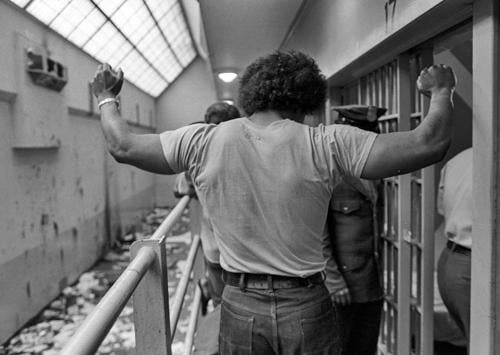
Frank Elli discusses his time as a prisoner and his novel "The Riot"
1968 Begins with a reading by Frank Eli from the opening of the book "The Riot." Mr. Elli discusses his early life, his time in three different prisons, and the writing of his book "The Riot," a personal account of a riot in Walla Walla Prison. (Note: last 5 minutes missing)
-
Frank Chin reads from and discusses his book, "Donald Duk"
May. 21, 1991 Content Warning: This conversation includes racially and/or culturally derogatory language and/or negative depictions of Black and Indigenous people of color, women, and LGBTQI+ individuals. Rather than remove this content, we present it in the context of twentieth-century social history to acknowledge and learn from its impact and to inspire awareness and discussion. Unlike Disney's Donald Donald, this "Donald Duk" is 12-year-old boy who hates his last name and who hates his Chinese background and culture. Chin, also spends time going over characters from his book.
-
Frances Moore Lappe in conversation with Studs Terkel
Oct. 13, 1986 Discussing the book "World Hunger: Twelve Myths" (published by Grove Press) with author and world hunger policy analyst Frances Moore Lappe.
-
Fela Sowande discusses his career and Nigerian music ; part 2
Jul. 3, 1962 Fela Sowande discusses his career, different types of Nigerian and African music, the Yoruba people, and religion. Includes clips of an African Yoruba pagan hymn "Oyigiyigi," a Christian version of that hymn, and an organ version of that hymn. Includes Sowande's song "Roll de Ol' Chariot." Quotes a poem by [Anthony Gregascoigne], an English poet he met in England.
-
-
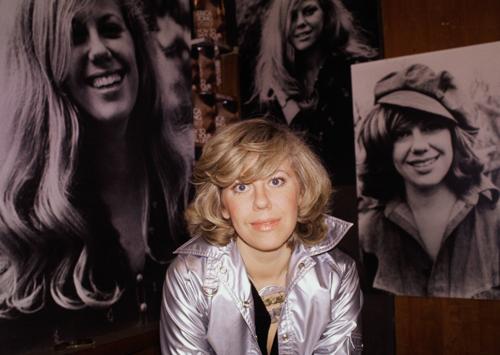
Erica Jong discusses the paperback release of "Fear of Flying"
Dec. 19, 1974 Erica Jong discusses the paperback release of "Fear of Flying," reading excerpts as well as several of her poems from her previous collections, "Half-Lives," and "Fruits and Vegetables."
-
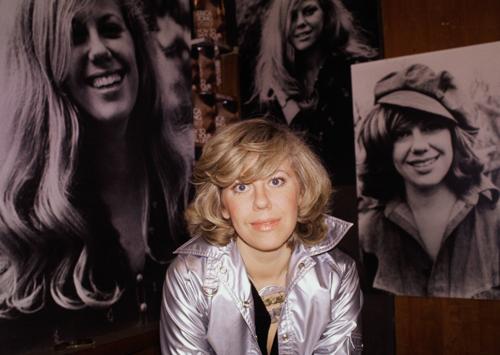
Erica Jong discusses her book “Fanny, Being the True History of the Adventures of Fanny Hackabout-Jones”
Sep. 8, 1980 Writer Erica Jong discusses feminism, her book “Fanny, Being the True History of the Adventures of Fanny Hackabout-Jones,” and its influences with Studs Terkel. Both Jong and Terkel read excerpts from Jong’s book.
-
Eric Bogosian discusses his work as an author and actor
Apr. 13, 1993 Eric Bogosian discusses and displays acting techniques he picked up throughout his career. He also performs readings from his book “Notes from Underground.” Content Warning: This conversation has the presence of outdated, biased, offensive language. Rather than remove this content, we present it in the context of twentieth-century social history to acknowledge and learn from its impact and to inspire awareness and discussion.
-
Eliot Asinof discusses his book, "Eight Men Out: The Black Sox and the 1919 World Series
May. 5, 1963 Eliot Asinof, author, discusses his book, "Eight Men Out: The Black Sox and the 1919 World Series." Asinof talks about some of the Black Sox team members and their stories through the games, the sensation, and the trial. Early American baseball players such as Babe Ruth and Connie Mack and reporters such as Ring Larder are also mentioned.
-