

-

Interview with neighborhood residents ; part 8
1970 Interviewing neighborhood residents in the people's park (Lincoln Park) (part 8).
-
Interview with neighborhood residents ; part 7
1970 Interviewing neighborhood residents in the people's park (Lincoln Park): Strange journey through a familiar land (part 7).
-
Interview with neighborhood residents ; part 6
1970 Studs Terkel interviews neighborhood residents in the people's park (Lincoln Park) (part 6) in Chicago.
-
Interview with neighborhood residents
1970 Interviewing neighborhood residents in the people's park (Lincoln Park) with Peter Bauer, Kitty Price a homeowner, a Honduran homeowner, Italian homeowner and wife, sculptress, Mrs. O'Neill and Steve Schaumburg (part 3).
-
Interview with neighborhood residents
1970 Interviewing neighborhood residents in the people's park (Lincoln Park) with Jeff, a Puerto Rican girl, Oscar the interpreter, Mrs. Keegan an Irish lady, Pancho, Cisco, Conchita, Julie Mendez, Pat Murfin, a Puerto Rican woman, and Melba. (part 1).
-
Interview with neighborhood residents
1970 Interviewing neighborhood residents in the people's park (Lincoln Park) with Father Lezak, Newbold the English Plumber, Pat Creer, Dick Brown, Harley Budd on fear and violence and Peter Bauer on fear and violence (part 2).
-
Interview with neighborhood residents
1970 Interviewing neighborhood residents in the people's park (Lincoln Park) with Steve Schaumburg, Hans the puppeteer, French hand laundry owner, and architect Howard Alan (part 4).
-
Interview with Monk, Fred and Johnny ; part 2
1968 Terkel interviews students Monk, Fred and Johnny. The three students talk about the influence they have on the younger generation. This interview is done in two parts.
-
Interview with Monk, Fred and Johnny ; part 1
1968 Terkel interviews students Monk, Fred and Johnny. The three students talk about the influence they have on the younger generation. This interview is done in two parts.
-
Interview with members of the Chicago String Ensemble
Mar. 4, 1993 Interviewing members of Chicago String Ensemble.
-
Interview with members of the Chicago Opera Theater
May. 29, 1996 Interviewing members of the Chicago Opera Theater.
-
Interview with members of the Chicago Chamber Musicians
Feb. 3, 1992 Interviewing members of the Chicago Chamber Musicians: Larry Combs & Deborah Sobol.
-
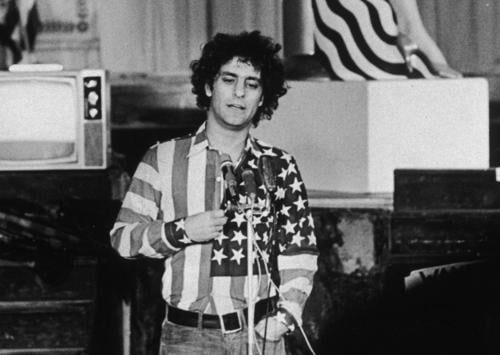
Interview with members of the Chicago 8
Mar. 26, 1988 Interviewing Abbie Hoffman, Bobby Seale, and Dave Dellinger of the Chicago 8.
-
Interview with members of Metro Seniors in Action
Jan. 19, 1977 members of Metro Seniors in Action
-
Interview with Mary Hollis and Sandra Maxwell
Jul. 9, 1993 Interviewing Mary Hollis and Sandra Maxwell, members of the Association of Community Organizations for Reform Now (ACORN).