

-
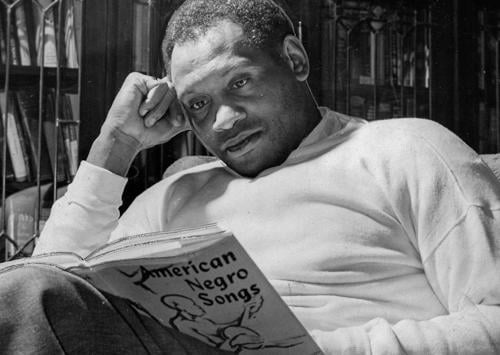
Studs presents a tribute to singer, actor, athlete, author and civil rights crusader Paul B. Robeson
Jan. 28, 1976 Studs presents a tribute to singer, actor, athlete, author and civil rights crusader Paul B. Robeson. Studs talks about his personal memories, the social impact and music of Paul Robeson. Excerpts from 1925362-4-1 Mr Robeson' friends recall memories of him: Earl Dickerson one of the 1 st black aldermen of Chicago, J. Mayo "Ink" Williams football player, Studs Terkel, Claudia Cassidy(1925655-4-1), Eddie Balchowski, Veteran, painter, poet(1934701-3-1) Includes excerpts from 1925362-4-1 and music. Similar to 1925362-3-1, but not identical. 01/23/1976 date of death.
-

Stephen B. Oates discusses his book "Let the Trumpets Sound: A Biography of Martin Luther King"
Sep. 9, 1982 Stephen B. Oates discusses his book "Let the Trumpets Sound: A Biography of Martin Luther King;" 2 short excerpts played during the program: one of Terkel interviewing Martin Luther King and another of E.D. Nixon speaking about MLK.
-
St. Clair Drake and Paul Mundy discuss prejudice ; part 4
1965 Discussing prejudice in communities with Dr. St. Clair Drake and Dr. Paul Mundy. They discuss discrimination, racism, integration, and other similiar topics.
-
St. Clair Drake and Paul Mundy discuss prejudice ; part 3
1965 Discussing prejudice in communities with Dr. St. Clair Drake and Dr. Paul Mundy. They discuss stereotypes, racism, and race relations.
-
St. Clair Drake and Paul Mundy discuss prejudice ; part 2.
1965 Discussing prejudice in communities with Dr. St. Clair Drake and Dr. Paul Mundy. They discuss prejudice towards the races, religions, and ethnicities of people.
-
St. Clair Drake and Paul Mundy discuss prejudice ; part 1
1965 Discussing the community and prejudice with Dr. St. Clair Drake and Dr. Paul Mundy. Includes an interview with a boy named Tony discussing relations with African American people.Content Warning: This conversation includes racially and/or culturally derogatory language and/or negative depictions of Black and Indigenous people of color, women, and LGBTQI+ individuals. Rather than remove this content, we present it in the context of twentieth-century social history to acknowledge and learn from its impact and to inspire awareness and discussion.
-
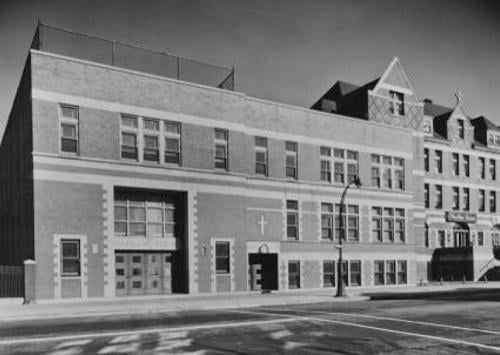
Sister Mary William discusses the importance of Marillac House
Apr. 10, 1968 Content Warning: This conversation includes racially and/or culturally derogatory language and/or negative depictions of Black and Indigenous people of color, women, and LGBTQI+ individuals. Rather than remove this content, we present it in the context of twentieth-century social history to acknowledge and learn from its impact and to inspire awareness and discussion. When she was a teenager, Sister Mary William told her parents that she wanted to become a nun. Sister Mary wanted to become a nun so that she could love and help many people.
-
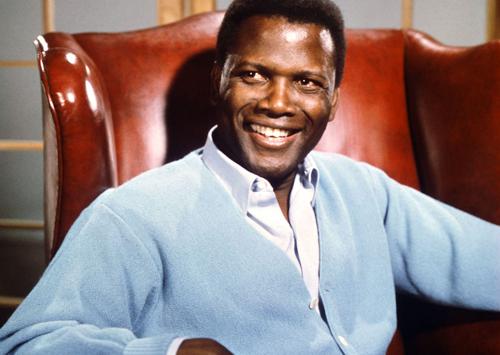
Sidney Poitier talks with Studs Terkel about his most recent film "The Defiant Ones"
Oct. 1, 1959 Bahamian actor Sidney Poitier talks with Studs Terkel about his most recent film "The Defiant Ones" and how racial type-casting for typically white roles works in Hollywood films. Besides being an actor, he is also a film director, author, and diplomat.
-
Seymour M. Hersh reads from and discusses his book "My Lai 4"
May. 22, 1970 Innocent, unarmed villagers were murdered in the horrific massacre in March of 1968. In Seymour M. Hersh's book, "My Lai 4: A Report on the Massacre and Its Aftermath," Seymour further explains that to the soldiers, the killing was simply a game to them, of who could kill the most bodies.
-
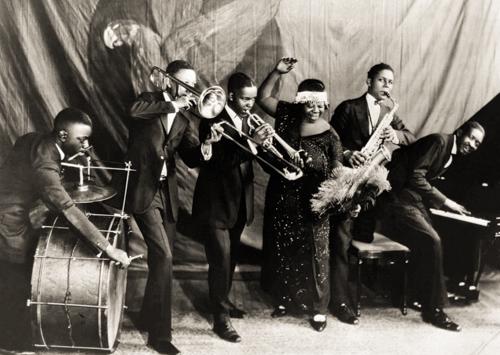
Sandra Lieb discusses the book "Mother of the Blues: A Study of Ma Rainey"
Jan. 12, 1982 Sandra Lieb discusses the book "Mother of the Blues: A Study of Ma Rainey." Includes songs sung by Ma Rainey such as "Runaway Blues," "See See Rider," "Moonshine Blues," and "Oh, Papa Blues." Includes poem "Ma Rainey" by Sterling Brown. Includes "Oh, Daddy," by Ethel Waters. Includes "Young Woman's Blues" by Bessie Smith.
-
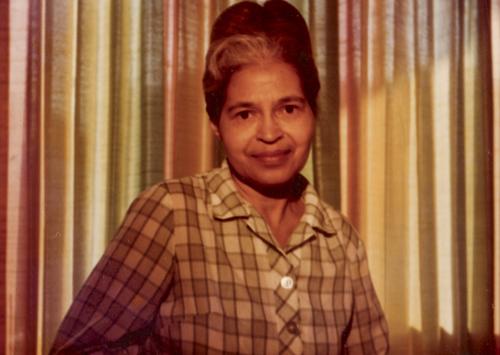
Rosa Parks and Myles Horton discuss the Highlander Folk School, the Montgomery Bus Boycott, and the American Civil Rights Movement
Jun. 8, 1973 Rosa Parks and Myles Horton discuss the importance of the Highlander Folk School, the Montgomery Bus Boycott, and the American Civil Rights Movement. The story of these two prominent figures of the Civil Rights Movement have intervened in their fight for social equality. Includes a fragment of an interview with E. D. Nixon well known civil rights leader.
-
Roger Kahn talks about his book "Boys of Summer"
1970 Content Warning: This conversation includes racially and/or culturally derogatory language and/or negative depictions of Black and Indigenous people of color, women, and LGBTQI+ individuals. Rather than remove this content, we present it in the context of twentieth-century social history to acknowledge and learn from its impact and to inspire awareness and discussion. Kahn talks about Jackie Robinson and the integration of baseball. Includes an excerpt from an interview with early player Sam Crawford.
-

Robert Lipsyte discusses book "SportsWorld: An American Dreamland"
Dec. 5, 1975 Robert Lipsyte discusses book "SportsWorld: An American Dreamland." Includes excerpt from opening passage of the book. Includes excerpt of interview with Muhammad Ali which starts around 35:33.
-
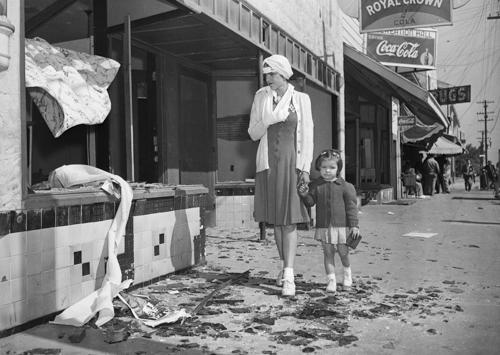
Robert Allen discusses his book "The Port Chicago Mutiny"
May. 12, 1989 On July 17, 1944, there was a huge explosion at Port Chicago in California. Of the 320 men on duty at the pier that died, 202 of them were Black. Robert Allen's book, "The Port Chicago Mutiny: The Story of the Largest Mass Mutiny Trial in U.S. Naval History," covers the story of poor working conditions, the explosion, work stoppage, the trial and the outcome. There is an excerpt of Joe Small, recalling what happened, when he was a sailor present there.
-
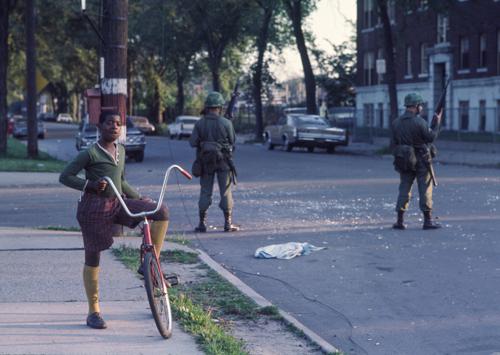
Rita Buscari interviews inner-city youth in Chicago
1968 Rita Buscari interviews inner-city youth in Chicago in the aftermath of the 1968 riots. Several pre-teen and teenaged African American youth are featured, discussing their experiences during the Chicago riots of April 1968. Topics include: Relationships between children and adults, relationships between police and civilians, relationships between blacks and whites, and the impact that Martin Luther King Jr.