

-

A program discussing the antinuclear movement with Sylvia Johnson and others
May. 23, 1983 Discussing the antinuclear movement with Sylvia Johnson, American Friends Service Committee, and two members of Greenham Commons.
-
A parent and teachers talk about the S.T.E.P. School for Autism
Nov. 11, 1970 Discussing the STEP School for autistic children with Alice Jerome, Mrs. Alberta Patterson, and Sally Heynemann. Topics include the behavior of the students, parental involvement, and the methods used at the STEP School and other schools. Includes a recording of children singing "Michael Finnegan." asdf
-
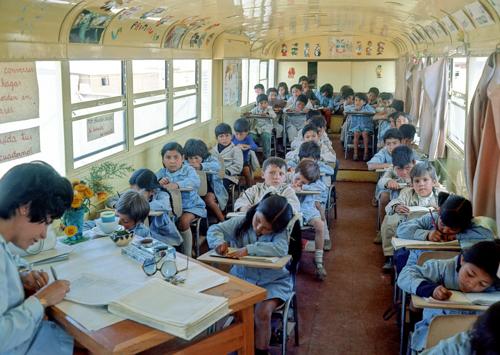
A panel of academics discuss education
Jun. 18, 1982 Studs Terkel leads a panel discussion on global education and the issues immigrants face in the American educational system. Panel members include Marilyn Turkovich, Dennis Brutus, Joe Elder, Daphne Maijorca, and Liu Zongren.
-
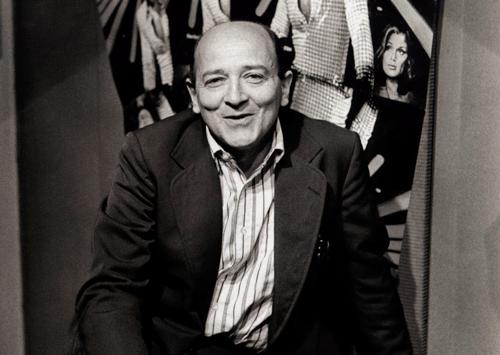
A London cab driver discusses traffic and Karel Reisz talks about making movies
1962 While riding in a cab, the driver talks about the narrow streets of London. He also talks about the traffic and why he believes traffic will only get worse in the future. Producer and director Karel Reisz explains how making films in England and America differ from how films are made Italy. Reisz also talks about the freedom of a director when making a film. With regards to viewership, according to Reisz, films are in 2nd place behind TV.
-

A French taxi driver and actor/singer Yves Montand
1962 While waiting to see Yves Montand, Studs speaks with a taxi driver through an interpreter, Michelle [Viande?]. Also speaks to Yves Montand.
-
A discussion with literary critic Malcolm Cowley
Mar. 7, 1974 Discussing past and present trends in American writing and interviewing distinguished American literary critic Malcolm Cowley.*Please note: some sections have been edited out from the original recording due to copyright considerations
-
-
A discussion about the communes, Drop City and Hog Farm
Nov. 10, 1969 According to Hugh Romney and Bonnie Jean Romney (AKA Mr. and Mrs. Wavy Gravy) of Hog Farm, and Sam Zambito of Drop City, communes are like living with expanded families. Bonnie Jean said that people looking for alternative lifestyles seek a more meaningful truth. To earn money, the people pick apples or sell beads. They also work in construction or deconstruction.*Please note: some sections have been edited out from the original recording due to copyright considerations
-
A conversation with William Saroyan
1970 Discussing the craft of writing plays with William Saroyan.
-
A conversation with Sharon Tennison
Apr. 9, 1984 The peace activist, nurse, and housewife Sharon Tennison joins Studs to discuss her experiences in trying to ease nuclear tensions between the Soviet Union and the United States. This program also includes a clip from an interview with teen activist Debbie Cooney.*Please note: some sections have been edited out from the original recording due to copyright considerations
-
A conversation with Philip Stern
Mar. 6, 1984 Discussing the nature and function of political action committees (PACs) with the co-chairman of Citizens Against PACs.*Please note: some sections have been edited out from the original recording due to copyright considerations
-
A conversation with Morris Yanoff
Apr. 14, 1982 The Chicago writer tells Studs of the seventeen-month ordeal of searching for his missing grandson, as further described in his book, Where is Joey?: Lost Among the Hare Krishnas.*Please note: some sections have been edited out from the original recording due to copyright considerations
-
A conversation with Michael Tilson Thomas and his father Ted Thomas (Tomashefsky)
Oct. 8, 1986 The American conductor/pianist and his poet/painter father join Studs to talk about their artistic lineage, from Yiddish theater to WPA-era theater.*Please note: some sections have been edited out from the original recording due to copyright considerations
-
A conversation with May Sarton
Dec. 29, 1976 A 1976 interview with the feminist novelist and poet is rebroadcast after her passing in 1995.*Please note: some sections have been edited out from the original recording due to copyright considerations
-
A conversation with Jackie Taylor
May. 3, 1995 The playwright, director, and the founder of the Black Ensemble Theater returns to the studio to discuss her updated production of the Tennessee Williams play, A Streetcar Named Desire.*Please note: some sections have been edited out from the original recording due to copyright considerations