

-

David Schramm talks to Studs Terkel
Dec. 28, 1981 Interviewing astronomer David Schramm.
-
-
David Scherman discusses “The Best of Life,” a book he edited
Oct. 12, 1973 Photographer David Scherman talks with Studs Terkel about the stories that photos can tell, famous photographers, and the book “The Best of Life,” which Scherman edited. A recording of the song “Brother, Can You Spare a Dime?” by the Weavers is played.
-

David Rossin and McKinley Olson debate nuclear energy
Oct. 5, 1976 David Rossin from Commonwealth Edison and McKinley Olson, a reporter and author of "Unacceptable Risk", debate the pros and cons of nuclear energy.
-
-
-

David McCullough discusses his book "Mornings on Horseback"
Aug. 5, 1981 Discussing the book "Mornings on Horseback" with author David McCullough.
-
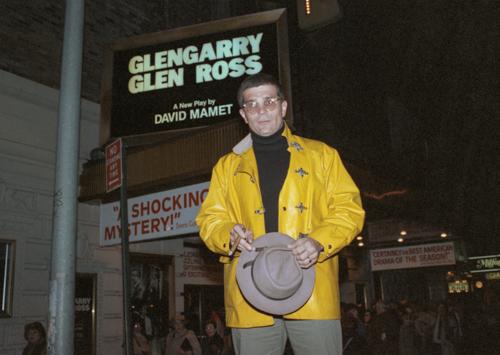
David Mamet discusses his play Glengarry Glen Ross
Jan. 13, 1984 David Mamet discusses his play Glengarry Glen Ross. Includes two scenes from the play recited by both David Mamet and Studs Terkel.
-
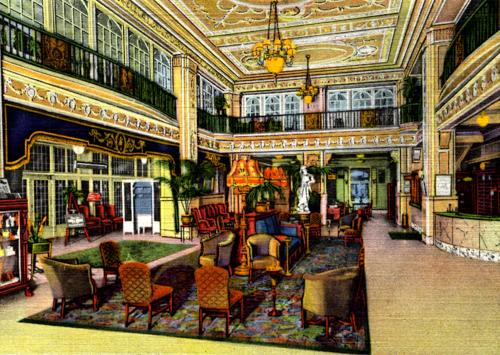
David Lowe discusses the history and story behind the architecture of Chicago from his book "Chicago Interiors"
Nov. 7, 1979 Studs interviews David Lowe about his book, "Chicago Interiors." Studs begins the interview with John Carpenter’s “Skyscrapers.” Studs leaf’s through the book as they discuss various photos and Lowe describes the history of various structures from the book that includes Chicago history. They discuss the history of architecture in Chicago and highlight various famous architects. Lowe explains how the industrial revolution, foreign countries and the Chicago fire all influenced Chicago architecture.
-
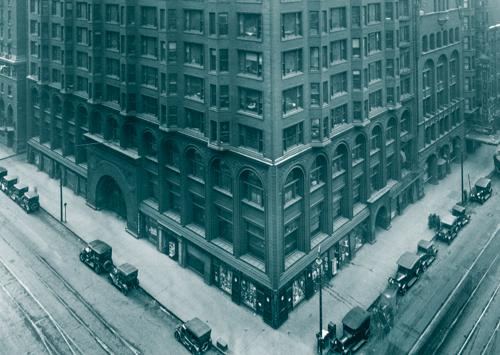
David Lowe discusses his book "Lost Chicago"
Dec. 8, 1975 Discussing the book "Lost Chicago" with the author David Lowe.
-
David Lewis discusses Canadian culture and politics
Nov. 12, 1976 David Lewis, Canadian politician, discusses Canada's domestic and foreign affairs, including their relationship with America. He also spends some time talking about Canadian socialism including universal health insurance.
-
David Hockney discusses his career and his recent work with the Lyric Opera
Jan. 20, 1992 When looking at the set design, David Hockney, doesn’t want the viewer to see a tree but to see “tree-ness”. A true fan of music, but Hockney reveals that he is unable to paint if there’s music playing in the background. Hockney said it’s important to stay for more than opening night of “Turandot”. To see the opera on different nights, from different seats in the audience, allows him to make his current work and/or future work better. Program also includes an excerpt of an interview with British poet Stephen Spender 4:56 to 5:51.
-
David Hockney discusses his book "Cameraworks"
Dec. 3, 1984 According to David Hockney, all photographs have perspective in them. With pictures, there is no time and there are no close ups, said Hockney. As for a picture on the television, Hockney said a picture of grief stricken poverty can bring on an emotional toll but then because the next picture of image appears, we immediately forget about the poverty image.
-
David Hernandez in conversation with Studs Terkel
Nov. 11, 1991 Interviewing poet David Hernandez.
-
David Hamlin discusses his book, "The Nazi/Skokie Conflict: A Civil Liberties Battle"
Mar. 5, 1981 David Hamlin, author and former Executive Director of ACLU, discusses his book "The Nazi/Skokie Conflict: A Civil Liberties Battle." Hamlin talks about Frank Collin, a jewish man turned leader of American Nazi Party leader and the court battle over the right to demonstrate in Skokie, Illinois. He also talks about the retaliation against the ALCU for defending Collin's case in court. At the end of the interview, Hamlin gives some advice on how to deal with people like Frank Collin.