

-
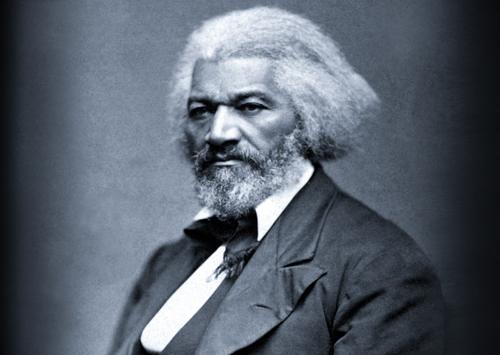
Studs Terkel presents a program in honor of the birthday of abolitionist and African American leader Frederick Douglass
Feb. 15, 1971 Studs Terkel presents a program in honor of the birthday of abolitionist and African American leader Frederick Douglass, including excepts from Terkel's 1964 interview with African-American scholar, author and social historian Lerone Bennett. Terkel reads at length from Douglass' autobiography, "My Bondage and My Freedom," focusing on Douglass' interactions with slave owners Hugh and Sophia Auld.
-

Morris Haimowitz discusses illiteracy and the "Read Now" project
1960 Although he doesn't know for sure, Morris Haimowitz believes there 300,000 people in the Chicago metropolitan area who cannot read or write. Hamimowitz's "Read Now" program is looking for anyone who can read and write to become a teacher to people that need assistance with literacy. *Please note: some sections have been edited out from the original recording due to copyright considerations
-
Henry Louis Gates, Jr. discusses race and the magazine "Critical Inquiry"
Jan. 24, 1986 As the guest editor of “Critical Inquiry,” Henry Louis Gates, Jr. covered the importance of Black writers and their contributions. Because there is no color blindness is the western world, explained Gates, pointing out that one is a Black writer or a Black doctor is important to society. Gates also covers the issue of race not being solely about Black and white people but rather it has to do with multi-ethnic and multi-cultural people.
-
Elizabeth Garry discusses her show, "Victoria"
Nov. 12, 1979 Elizabeth Garry, talks about her one woman show "Victoria." The show tells the story of Victoria C. Woodhull the first women to run for President in 1872. Garry discusses Woodhull's life including her supposed clairvoyant talents, suffragist works, and her work as a broker and publisher. Woodhull's arrest for obscene literature with her newspaper, "Woodhull & Claflin's Weekly," is also discusses and Garry performs the part of her show that describes that event. Garry also breifly explains her research and writing process for the show.
-
Charlemae Hill Rollins discusses and reads from her book "The Christmas gif'"
1970 Charlemae Hill Rollins and Studs Terkel read from "The Christmas Gif" and discuss it's importance in African American literature. The book is an anthology of Christmas poems, songs, and stories, written by and about Negroes, and compiled by librarian Charlemae Hill Rollins. The book was first published in 1963.
-
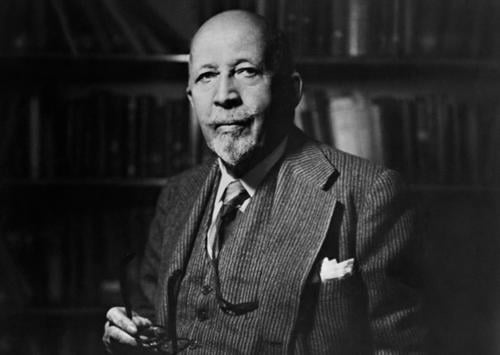
Allison Davis anthropologist, writer and educator, discusses his book "Leadership, Love and Aggression"
Sep. 26, 1983 Discussing the book "Leadership, love and aggression. As the twig is bent: the psychological factors in the making of four black leaders - Frederick Douglas, W.E.B. Du Bois, Richard Wright and Martin Luther King Jr." with the anthropologist-author Allison Davis.