

-

Christine Fox, Annie Merrill, Jennie Wilkes of the BBC
1975 This interview is a follow up, four years later, to the first interview with these women (1965115-3-1)
-
Christine Fox, Annie Merrill and Jennie Wilkes discuss their work and upbringing in England
1970 Christine Fox, Annie Merrill and Jennie Wilkes discuss sexism in the television industry, their upbringings, and what life is like in England for young women. This is the first of two interviews, four years apart, with these women. 1965631-3-1 is the follow up.
-
Bertrand Russell discusses science and world peace. Phyllis Evans discusses the National Health Plan ; part 1
1962 Sir Bertrand Russell says scientists have a fundamental obligation to let the authorities know if and when what they're working on could lead to or cause a war. Russell claims, no matter the side, there are no winners as a result of war. The world could be a far better place, Russell explained, if it weren't for the fact of man's hatred toward other men. If one lives in the United States and has a grave illness or needs a major surgery, Phyllis Evans says one should not have to go into bankruptcy because of all the costs.
-
Basil Davidson discusses Africa and his book "Lost Cities of Africa," part 2
British historian and writer Basil Davidson discusses Africa and his book "Lost Cities of Africa," part 2. This recording also includes a discussion with Anne Graham Bell and Tony Mott about London's youth (recorded while Studs was in England) beginning at 00:20:14. Mott and Bell portion of the interview cuts off abruptly at the end.
-
Basil Davidson discusses Africa and his book "Lost Cities of Africa," part 1
British historian and writer Basil Davidson discusses Africa and his book "Lost Cities of Africa." Part 1. Part two of this recording also features Anne Graham Bell and Tony Mott discussing London's youth while Studs was in England. They are not included here, in part 1.
-
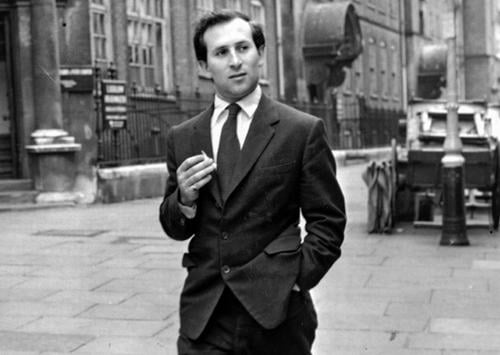
Arnold Wesker, english writer and playwright discusses his life and work.
1962 Arnold Wesker, English playwright and writer in several genres discusses scenes from the play "Roots". Mr Wesker further discusses his plays and the current cast traveling around England performing several of his plays. The interview tape ends and Studs recalls the remainder of the interview alone as a postscript.
-
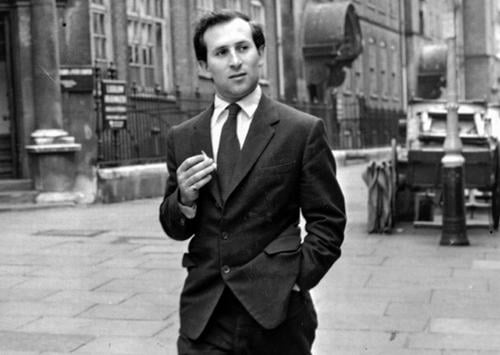
Arnold Wesker talks with Studs Terkel ; part 2
1962 Terkel Talks with known English Dramatist Sir Arnold Wesker (part 2) about the economy of England. The talk begins with the subject of apprentices and when students began their apprenticeship (usually at the age of 15). This is a two part interview
-
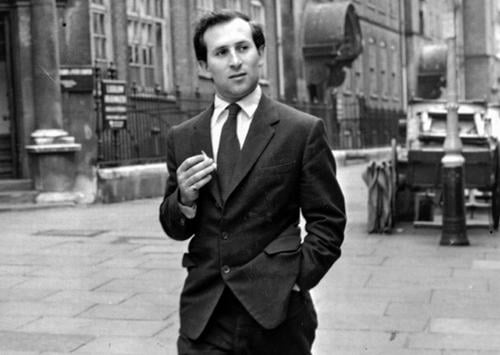
Arnold Wesker talks with Studs Terkel ; part 1
1962 Terkel Talks with known English Dramatist Sir Arnold Wesker (part 1) about the economy of England. The talk begins with the subject of apprenticeship. This is a two part interview.
-
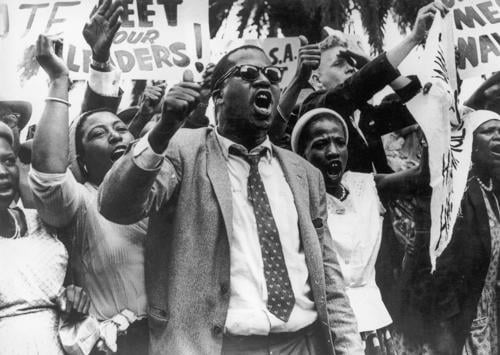
Alexander Sutherland Neill discusses lying to children
1963 Alexander Sutherland Neill says no one should ever lie to a child because children are brutally honest. Neill says people tend to live their lives as a lie. Neill also points out that when someone comes knocking at the door, and one tells the child to tell that person that so and so is not home, adults are teaching their children about white lies. This is a very short interview that ends abruptly.
-
Albert Alvarez discusses his book "Beyond All This Fiddle: Essays, 1955-1967;" part 2
1972 Albert Alvarez, poet, writer and critic, discusses how technology advancement is changing society. Specifically he discusses war in general, the Holocaust and advancements in destructive weapons. "Beyond All This Fiddle: Essays, 1955-1967."
-
Albert Alvarez discusses his book "Beyond All This Fiddle: Essays, 1955-1967," [part 1] and Jack LaPorte [part 2]
1972 Part 2 of a discussion with Jack LaPorte while Studs was in England. Conversation cuts out at 05:06 and begins the coversation with Al Alvarez. Albert Alvarez, poet, writer and critic, discusses how technology advancement is changing society. He specifically discusses war in general, the Holocaust and advancements in destructive weapons. He speaks fondly of Sylvia Plath, and discusses his current book, "Beyond All This Fiddle: Essays, 1955-1967."
-
Actor Victor Spinetti talks with Studs Terkel about "Oh, What A Lovely War!" ; part 2
1962 Part Two of this engrossing interview sees Spinetti elaborate on characters from Joan Littlewood's production of "Oh, What A Lovely War!" in England. Includes a reading of "The English Seaside in High Summer" and an a capella performance of the musical's Act I closer, "Good-bye-ee!", both by Spinetti.
-
Actor Victor Spinetti talks with Studs Terkel about "Oh, What A Lovely War!" ; part 1
1962 English actor, director and writer Victor Spinelli discusses several aspects of Joan Littlewood's production of "Oh, What A Lovely War!", including the origin of the songs, slides and quotations used in the musical. The two also discuss the World War War I, blind patriotism and what an Italian drill sergeant might sound like. Includes as a reading of "Watchers Along the Mall" by Spinetti.
-
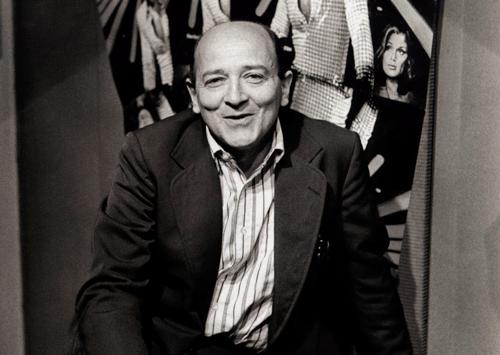
A London cab driver discusses traffic and Karel Reisz talks about making movies
1962 While riding in a cab, the driver talks about the narrow streets of London. He also talks about the traffic and why he believes traffic will only get worse in the future. Producer and director Karel Reisz explains how making films in England and America differ from how films are made Italy. Reisz also talks about the freedom of a director when making a film. With regards to viewership, according to Reisz, films are in 2nd place behind TV.
-
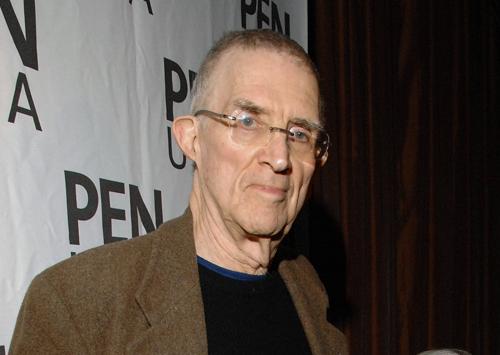
A cockney carpenter discusses his life and Clancy Sigal discusses London
1962 Interviewing with a cockney carpenter (until 12:14), and Clancy Sigal while Studs was in England.