

-

Arnold Wesker and Doris Lessing discuss the poor, literature, and theater among other topics in England ; part 1
Sep. 1, 1970 Arnold Wesker and Doris Lessing discuss the poor, theater, and literature in England. They also discuss art, life, values, race relations, and what people from other countries have in common . The interview takes place in England.
-
Albert Alvarez discusses his book "Beyond All This Fiddle: Essays, 1955-1967;" part 2
1972 Albert Alvarez, poet, writer and critic, discusses how technology advancement is changing society. Specifically he discusses war in general, the Holocaust and advancements in destructive weapons. "Beyond All This Fiddle: Essays, 1955-1967."
-
Albert Alvarez discusses his book "Beyond All This Fiddle: Essays, 1955-1967," [part 1] and Jack LaPorte [part 2]
1972 Part 2 of a discussion with Jack LaPorte while Studs was in England. Conversation cuts out at 05:06 and begins the coversation with Al Alvarez. Albert Alvarez, poet, writer and critic, discusses how technology advancement is changing society. He specifically discusses war in general, the Holocaust and advancements in destructive weapons. He speaks fondly of Sylvia Plath, and discusses his current book, "Beyond All This Fiddle: Essays, 1955-1967."
-
Actor Victor Spinetti talks with Studs Terkel about "Oh, What A Lovely War!" ; part 2
1962 Part Two of this engrossing interview sees Spinetti elaborate on characters from Joan Littlewood's production of "Oh, What A Lovely War!" in England. Includes a reading of "The English Seaside in High Summer" and an a capella performance of the musical's Act I closer, "Good-bye-ee!", both by Spinetti.
-
Actor Victor Spinetti talks with Studs Terkel about "Oh, What A Lovely War!" ; part 1
1962 English actor, director and writer Victor Spinelli discusses several aspects of Joan Littlewood's production of "Oh, What A Lovely War!", including the origin of the songs, slides and quotations used in the musical. The two also discuss the World War War I, blind patriotism and what an Italian drill sergeant might sound like. Includes as a reading of "Watchers Along the Mall" by Spinetti.
-
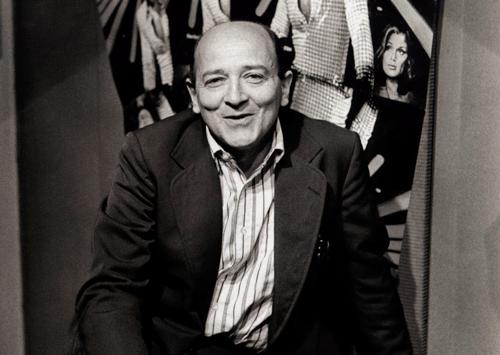
A London cab driver discusses traffic and Karel Reisz talks about making movies
1962 While riding in a cab, the driver talks about the narrow streets of London. He also talks about the traffic and why he believes traffic will only get worse in the future. Producer and director Karel Reisz explains how making films in England and America differ from how films are made Italy. Reisz also talks about the freedom of a director when making a film. With regards to viewership, according to Reisz, films are in 2nd place behind TV.
-

A cockney carpenter discusses his life and Clancy Sigal discusses London
1962 Interviewing with a cockney carpenter (until 12:14), and Clancy Sigal while Studs was in England.
-
A cab driver in London and James Cameron discuss housing ; part 1
1970 On his way to meet James Cameron, the taxi cab driver tells Studs Terkel about the demolition site they're passing. The cab driver explains that 30,000 more hotel rooms are needed because of the jumbo jet trade. The cab driver said the rooms are needed to advance London's tourism. James Cameron discusses the demolition that's happening at Ashburn Gardens. Cameron explains how the homes that are being torn down house students, au pairs, and people of color. Cameron also talks about how he never went to school or received an education.