Main navigation

  • Home
  • Explore
  • Interact
      • Clips Explore themed playlists of audio clips from the Archive.
      • Reuse Listen to creative reuses of Studs’ interviews.
      • Remix Combine audio from the Archive to create entirely new works.
  • Podcast
  • Classroom
  • Donate
People
Topics
Has Audio or Transcript
Showing 1 - 3 of 3 results
  • Talking with Gordon Parks

    Jun. 9, 1977

    The African American writer, composer, film director, and photographer - described by Studs as a quadruple threat - joins the program to discuss his wide-ranging career and most recent film - Leadbelly - about the blues singer Huddie Ledbetter (AKA Lead Belly).*Please note: some sections have been edited out from the original recording due to copyright considerations 

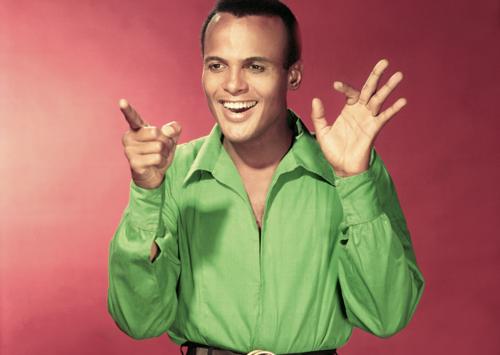
  • Harry Belafonte

    Harry Belafonte discusses jazz and folk music ; part 1

    Jan. 6, 1955

    Singer Harry Belafonte discusses Black music including spirituals and jazz and how it has contributed to American culture.

  • Discussing folk music with folk musician Pete Seeger

    Feb. 11, 1982

    The following songs were removed due to copyright restrictions:, "East Virginia", "Sticking With The Union", "Old Blue", "Jesu, Meine Freude", "We Shall Overcome", "The Draft", "Sailin' Up, Sailin' Down", and "Precious Friend" an instrumental song.

Major Support Provided By
The Becca Kopf Memorial Circle of Friends
WFMT Radio Network & Chicago History Museum

This site is being managed by WFMT in partnership with the Chicago History Museum.

Library of Congress

In-kind digitization services of the Studs Terkel Radio Archive are provided by the Library of Congress.

National Endowment for the Humanities

The Studs Terkel Radio Archive has been made possible in part by a major grant from the National Endowment for the Humanities: Exploring the human endeavor.

Studs Terkel Radio Archive

All Programs About The Archive About Studs Supporters Contact

©2026 WFMT Radio Network | Site by Jell Creative

Any views, findings, conclusions, or recommendations expressed in this web resource do not necessarily represent those of the National Endowment for the Humanities.