Main navigation

  • Home
  • Explore
  • Interact
      • Clips Explore themed playlists of audio clips from the Archive.
      • Reuse Listen to creative reuses of Studs’ interviews.
      • Remix Combine audio from the Archive to create entirely new works.
  • Podcast
  • Classroom
  • Donate
People
Topics
Has Audio or Transcript
Showing 1 - 3 of 3 results
  • Maurice Sendak discusses his book "Where the Wild Things Are"

    Dec. 19, 1990

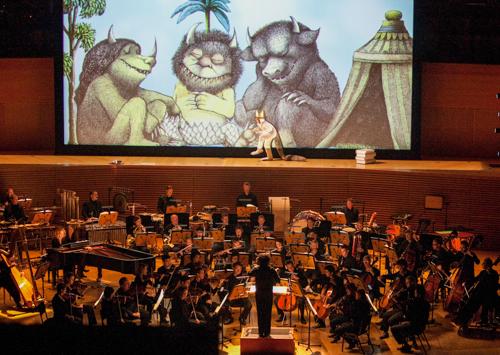
    Monsters, imagination and violence in children's literature are all topics of Maurice Sendak's book, "Where the Wild Things Are." When writing the book, Sendak used his own experiences as a little boy, remembering that the monsters in the family were relatives on his mother's side. There are two excerpts of composer Oliver Knussen.

  • Interview with Maurice Sendak

    Nov. 12, 1984

    Discussing the books "Nutcracker," "The Love for Three Oranges: The Glyndebourne Version," "Where the Wild Things Are," and "Outside Over There" with author and artist Maurice Sendak.

  • Oliver Knussen

    Composer Oliver Knussen discusses his opera adaptation of "Where the Wild Things Are"

    Dec. 13, 1988

    Oliver Knussen discusses his adaptation of "Where the Wild Things Are", which was beginning production at the Chicago Opera Theater, Chicago.

Major Support Provided By
The Becca Kopf Memorial Circle of Friends
WFMT Radio Network & Chicago History Museum

This site is being managed by WFMT in partnership with the Chicago History Museum.

Library of Congress

In-kind digitization services of the Studs Terkel Radio Archive are provided by the Library of Congress.

National Endowment for the Humanities

The Studs Terkel Radio Archive has been made possible in part by a major grant from the National Endowment for the Humanities: Exploring the human endeavor.

Studs Terkel Radio Archive

All Programs About The Archive About Studs Supporters Contact

©2026 WFMT Radio Network | Site by Jell Creative

Any views, findings, conclusions, or recommendations expressed in this web resource do not necessarily represent those of the National Endowment for the Humanities.