

-

-
Marya Mannes discusses her book "Last Rights"
Feb. 1, 1974 Euthanasia is the topic of Marya Mannes' book, "Last Rights: A Case for the Good Death". With cases of terminally ill patients, Mannes advocates having compassion and allowing one to chose a good and gentle death.*Please note: some sections have been edited out from the original recording due to copyright considerations
-
Marvin Harris discusses his book "America Now"
Feb. 8, 1982 Discussing the book "America now: The anthropology of a changing culture" with the author-Anthropologist Marvin Harris.
-
Martha Weinman Lear discusses her book "Heart Sounds"
Apr. 8, 1980 Lear's husband is a doctor who has heart failure, and together, the couple deals with the medical professionals who make errors and who get angry when a second opinion is requested. Nothing prepared Lear for the utter helplessness and rage that she experienced.
-
Maria Kuncewicz, Polish writer and novelist, discusses her book, "Don Quixote and the Nannies"
May. 25, 1965 An interview with Maria Kuncewicz about her book of fiction, "Don Quixote and the Nannies" and how this book reflects her travels to Spain and her personal observations, memories, and experiences. The story reflects the freedom and beauty that people want today post WWII. Kuncewicz tells her experience as a child with nannies and a particular event that helped inspire her writing. She speaks about authority and author, Miquel de Cervantes. Kuncewicz also talks about the people of Spain and how they reflect different Don Quixote characters.
-
Madeleine L'Engle discusses her novel "A Severed Wasp"
Jan. 30, 1983 Author Madeleine L'Engle discusses her novel "A Severed Wasp," about a retired concert pianist (Katherine Forrester, who appeared in L'Engle's first novel, "The Small Rain") who puts on a benefit concert at the Cathedral of St. John the Divine at the request of her old friend, Felix Bodeway. Like Katherine, L'Engle is a pianist and the interview is interspersed with Bach fugues throughout. In addition to discussing the plot, Terkel and L'Engle discuss several of the book's characters and their histories and motivations.
-
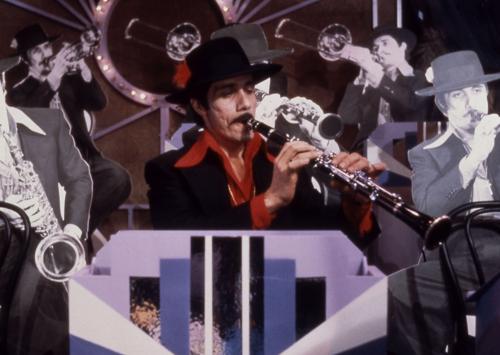
Luis Valdez discusses his career
Jun. 4, 1982 Luis Valdez, author of the play, "Zoot Suit," and editor of "Aztlan: An Anthology of Mexican American Literature," discusses the Chicano experience; music by Mexican-American artists is played and discussed throughout the program.
-
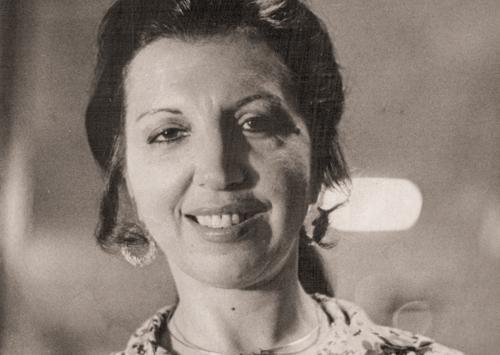
Lisa Richette discusses her book The Throwaway Children ; part 2
Lisa Richette, lawyer and judge, discusses her book "The Throwaway Children", published in 1969. She discusses issues of juvenile justice and the law regarding juveniles.
-
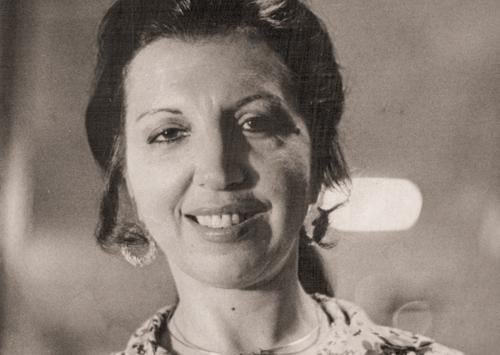
Lisa Richette discusses her book The Throwaway Children ; part 1
Lisa Richette, lawyer and judge, discusses her book "The Throwaway Children", published in 1969. She discusses issues of juvenile justice and the law regarding juveniles.
-
Lillian Smith discusses her books; part 3
Nov. 11, 1961 Content Warning: This conversation includes racially and/or culturally derogatory language and/or negative depictions of Black and Indigenous people of color, women, and LGBTQI+ individuals. Rather than remove this content, we present it in the context of twentieth-century social history to acknowledge and learn from its impact and to inspire awareness and discussion. Lillian's Smith first book was "Strange Fruit." Smith said people that were reading that book covered up the book jacket so no one could see the title of the book.
-
Laurent de Brunhoff reads from and discusses the book "Babar's Anniversary Album"
Nov. 11, 1981 Discussing the book "Babar's anniversary album" with the author Laurent de Brunhoff.
-
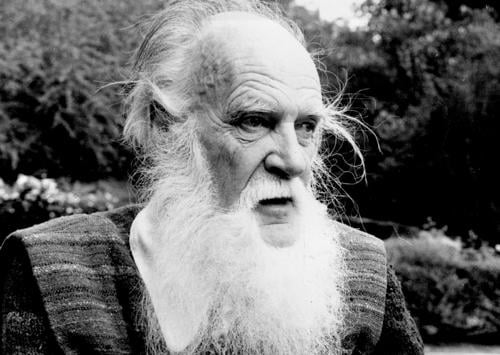
Lanza Del Vasto discusses his book "Return to the Source"
1970 Philosopher and nonviolent activist Lanza Del Vasto discusses his work as a nonviolent activist and his book "Return to the Source." Terkel refers to del Vasto as "Shantidas" occasionally during the interview.
-
Kermit Eby discusses his book "Protests of an ex-organization man."
Nov. 21, 1961 *Please note: some sections have been edited out from the original recording due to copyright considerations
-
Ken Wooden discussing "Weeping in the playtime of others"
May. 12, 1976 Discussing the book "Weeping in the playtime of others" with the author Ken Wooden.
-
Kay Boyle discusses her book "Being Geniuses Together"
1969 Kay Boyle is the co-author of "Being Geniuses Together". The book is a memoir of her time spent in Paris and of her background, including her life with her mother when she was younger.*Please note: some sections have been edited out from the original recording due to copyright considerations