

-

Paul Cowan discusses his book "An Orphan in History"
Jan. 7, 1983 Discussing the book "An orphan in history: retrieving a Jewish legacy" with the author Paul Cowan.
-
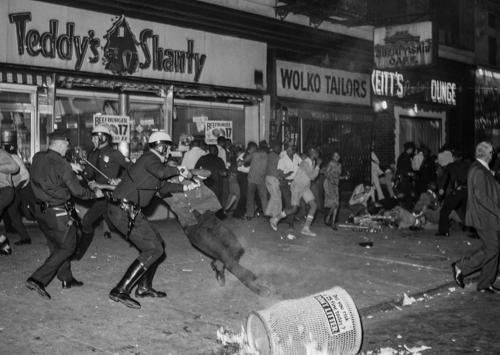
Paul Chevigny discusses his book "Police Power"
According to Paul Chevigny’s book, “Police Power: Police Abuses in New York," disobeying the police is what precipitated violence. Chevigny explained some of the police felt if they had to deal with the undesirables, whether they were criminals or not, anything goes on the street to get these guys and anything goes in court to make a conviction stick.
-
Patricia O'Brien, Nieman Fellow, discusses her book, "The Woman Alone" and the women's movement strike
Jul. 6, 1973 Studs interview with Patricia O'Brien about her book, "The Woman Alone" and a large variety of issues of the women's movement. Studs includes parts of interviews he did with a middle-aged man and woman on the day of the women's strike. He also included an excerpt from his interview with Peggy Terry. O'Brien reads excerpts from her book including a poem by May Sarton. Studs quotes Jane Howard, Jane Kennedy, and the wife of Senator Birch Bayh.
-
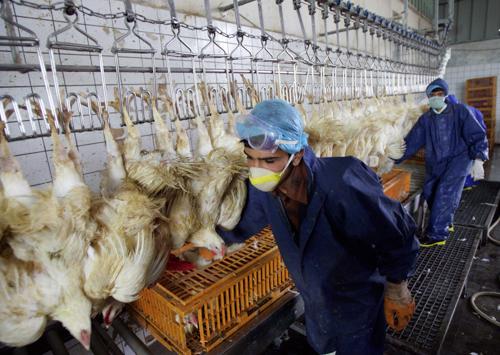
Orville Schell discusses his book "Modern Meat: Antibiotics, Hormones, and the Pharmaceutical Farm"
May. 22, 1984 Discussing the book "Modern meat: antibiotics, hormones and the pharmaceutical farm" with the author Orville Schell.
-
Norman Thomas discusses the book "Great Dissenters" ; part 1
Nov. 11, 1961 According to Norman Thomas, things in life are not as great as they used to be and there's nothing wrong with dissenting. Thomas chose 5 dissenters to write about, Socrates, Galileo, Thomas Paine, Wendell Phillips and Gandhi. Of of all of them, Gandhi was the biggest dissenter of our time, said Thomas.
-
Norman Thomas and Lillian Smith discuss dissenting ; part 2
Nov. 11, 1961 Content Warning: This conversation includes racially and/or culturally derogatory language and/or negative depictions of Black and Indigenous people of color, women, and LGBTQI+ individuals. Rather than remove this content, we present it in the context of twentieth-century social history to acknowledge and learn from its impact and to inspire awareness and discussion. Lillian Smith's father taught her that we're all human beings and that no one was better than another person.
-
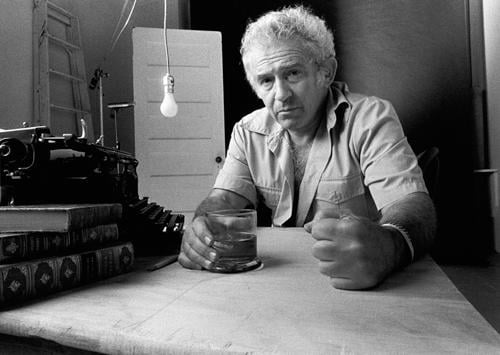
Norman Mailer discusses the meaning and future of space exploration
Jan. 29, 1971 Norman Mailer discusses how recent trips to the moon fit into the American consciousness, technology and machines in modern life, individuality, and the future of space exploration. Studs and Mailer read excerpts from "Fire on the Moon."
-
Norman Maclean reads from and discusses his book "A River Runs Through It"
Jun. 8, 1976 Fly fishing, relationships and people Norman Maclean has met are all apart of his book, "A River Runs Through It." Maclean's father taught Maclean and his brother the art of fly fishing. Maclean's book is semi-autobiographical with three short stories.
-
Nora Sayre discusses her book Running Time: Films of the Cold War
May. 4, 1982 Nora Sayre discusses her book "Running time: Films of the Cold War" and how Russian-American relations affected Hollywood and celebrity blacklists.
-
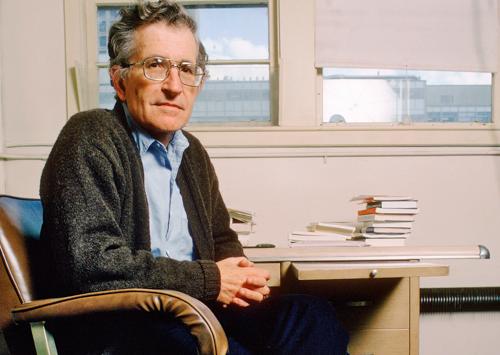
Noam Chomsky discusses his book "American Power and the New Mandarins"
Jan. 19, 1970 Noam Chomsky discusses his book "American Power and the New Mandarins," the Vietnam war, and the role of intellectuals, including interview with A.J. Muste; audio is slowed down from 47:30 - 52:52.
-
Nicholas Von Hoffman discusses university and college educations ; part 1
Jun. 9, 1965 Journalist Nicholas Von Hoffman shares his critical thoughts about universities and colleges. Students are told what to read for class and students are taught how to pass exams, says Von Hoffman. Testing and exams don't work, contends Von Hoffman. Students must be allowed to read more about a subject on their own as opposed to what's solely offered by the curriculum's books.
-
Nicholas Von Hoffman discusses his novel, "Two Three Many More" with Studs Terkel
1970 Nicholas Van Hoffman discusses the characters of his novel, "Two Three Many More" about campus protests against the Vietnam War. Political viewpoints, regulations, and character analysis are discussed. Von Hoffman opens the interview with a reading from the opening of the book that mentions peace, solidarity, and disunity. Terkel and Von Hoffman read excerpts together from the book.
-
Nicholas Von Hoffman discusses his book “Left at the Post”
Dec. 18, 1970 Nicholas Von Hoffman talks about his book "Left at the Post: Passions, Prejudices, and Laments of One of America's Most Generously Biased Writers". Additional topics include biased journalism, objectivism in news reporting, and politics.
-
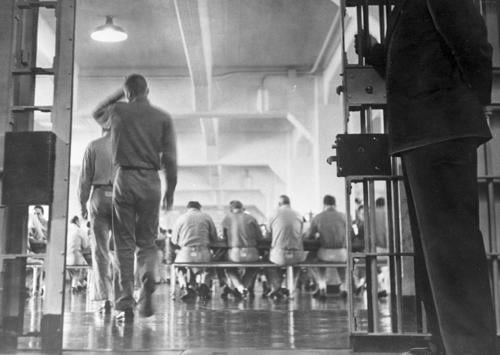
Nelson Algren, Nathan Kantrowitz, and David Maurer discuss language and characteristics of the criminal underworld
Jan. 29, 1967 Nelson Algren, Nathan Kantrowitz, and David Maurer discuss language and criminal subculture, including the development of institutional slang at different prisons, the nature of drug addiction and its influence on criminal language and vocabulary, and the myth of the criminal mind. Includes an Interview with an inmate at a Chicago prison.
-
Nelson Algren discusses capital punishment
1965 Discussing capital punishment with author Nelson Algren. Includes interviews with William (Bill) Witherspoon, a death row inmate; Jack Johnson, warden of Cook County Jail; and an [unidentified woman] who marched in protest at the execution of James Dukes in 1962.