Main navigation

  • Home
  • Explore
  • Interact
      • Clips Explore themed playlists of audio clips from the Archive.
      • Reuse Listen to creative reuses of Studs’ interviews.
      • Remix Combine audio from the Archive to create entirely new works.
  • Podcast
  • Classroom
  • Donate
People
Topics
Has Audio or Transcript
Showing 1 - 3 of 3 results
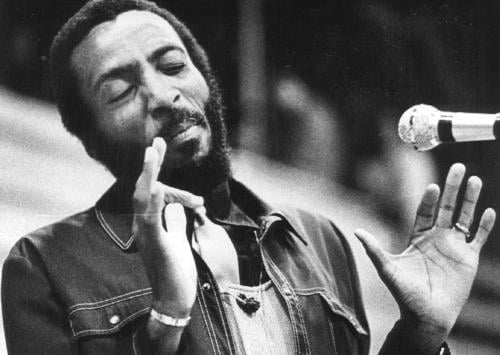
  • Dick Gregory

    Panel at University of Chicago Law School discuss ending capital punishment, part 2

    Feb. 19, 1965

    A panel at University of Chicago Law School discuss ending capital punishment (tapes A and B) and with Dick Gregory (tape C). Includes presentations by Father James G. Jones and Norval Morris. (Part 2 of 3)

  • Nelson Algren discusses capital punishment

    1965

    Discussing capital punishment with author Nelson Algren. Includes interviews with William (Bill) Witherspoon, a death row inmate; Jack Johnson, warden of Cook County Jail; and an [unidentified woman] who marched in protest at the execution of James Dukes in 1962.

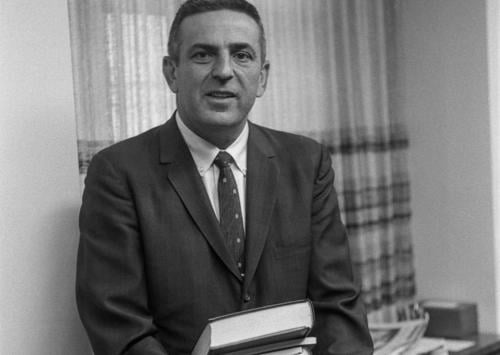
  • Abner J. Mikva

    Archibald Carey, Elmer Gertz, Hans W. Mattick, Abner J. Mikva, Donald Page Moore discuss Paul Crump and capital punishment

    Jul. 16, 1962

    Archibald Carey, Elmer Gertz, Hans W. Mattick, Abner J. Mikva, Donald Page Moore discuss the scheduled execution of Paul Crump and their opposition to capital punishment

Major Support Provided By
The Becca Kopf Memorial Circle of Friends
WFMT Radio Network & Chicago History Museum

This site is being managed by WFMT in partnership with the Chicago History Museum.

Library of Congress

In-kind digitization services of the Studs Terkel Radio Archive are provided by the Library of Congress.

National Endowment for the Humanities

The Studs Terkel Radio Archive has been made possible in part by a major grant from the National Endowment for the Humanities: Exploring the human endeavor.

Studs Terkel Radio Archive

All Programs About The Archive About Studs Supporters Contact

©2026 WFMT Radio Network | Site by Jell Creative

Any views, findings, conclusions, or recommendations expressed in this web resource do not necessarily represent those of the National Endowment for the Humanities.