

-

Studs Terkel interviews writer Tom Wolfe ; part 3
Sep. 1, 1968 Studs Terkel and Tom Wolfe discuss Wolfe's recent work. At the time of the interview, Wolfe had recently released "The Electric Kool-Aid Acid Test", his chronicle of Ken Kesey and his colleagues, and a collection of articles, "The Pump House Gang".
-
Studs Terkel interviews writer Tom Wolfe ; part 1
Sep. 1, 1968 Studs Terkel and Tom Wolfe discuss Wolfe's recent work. At the time of the interview, Wolfe had recently released "The Electric Kool-Aid Acid Test", his chronicle of Ken Kesey and his colleagues, and a collection of articles, "The Pump House Gang".
-
Studs Terkel interviews writer Tom Wolfe ; part 2
Sep. 1, 1968 Studs Terkel and Tom Wolfe discuss Wolfe's recent work. At the time of the interview, Wolfe had recently released "The Electric Kool-Aid Acid Test", his chronicle of Ken Kesey and his colleagues, and a collection of articles, "The Pump House Gang".
-
Edward Keating discusses the magazine Ramparts
Mar. 1, 1967 Discussing the philosophy of "Ramparts" and interviewing Edward Keating.
-
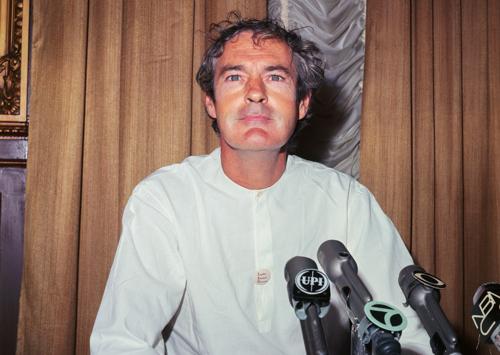
Dr. Timothy Leary discusses the stages of the psychadelic experience of turning on and his role as a Shaman ; part 2
Dec. 1, 1966 Studs interviews Dr. Timothy Leary about the three stages of the psychadelic experience: turning on, tuning in, and dropout. Leary discusses how his life changed from being a successful psychologist and professor at Harvard to renewing his life as a religious teacher. He shares how the drug LSD is used in the tribal communities who turn on and also explains the values of those who practice turning on. Leary also describes other methods used to turn on, which he considers a religious experience. Studs reads what Richard Goldstein said about Dr. Leary.
-
Dr. John C. Lilly discusses his book "Center of the Cyclone"
Feb. 22, 1972 Discussing the book "Center of the Cyclone: An Autobiography of Inner Space" with the author Dr. John C. Lilly.*Please note: some sections have been edited out from the original recording due to copyright considerations
-

David Solomon talk with Studs Terkel
Nov. 30, 1964 Discussing "L.S.D" and interviewing journalist David Solomon.
-

David Solomon talk with Studs Terkel
Nov. 30, 1964 Discussing "L.S.D" and interviewing journalist David Solomon.
-
Allan Y. Cohen discusses his book "Understanding Drug Use"
Jan. 29, 1971 Psychedelic drugs are the topic covered in Allan Cohen's book, "Understanding Drug Use: An Adult's Guide to Drugs and the Young". Cohen said young people he counseled often asked, "What's my life really about?" If they were having trouble internally, is that why they were seeking something on the outside, like drugs and chemicals to enhance their lives, is what Cohen wondered.