Main navigation

  • Home
  • Explore
  • Interact
      • Clips Explore themed playlists of audio clips from the Archive.
      • Reuse Listen to creative reuses of Studs’ interviews.
      • Remix Combine audio from the Archive to create entirely new works.
  • Podcast
  • Classroom
  • Donate
People
Topics
Has Audio or Transcript
Showing 1 - 2 of 2 results
  • Victor Banerjee

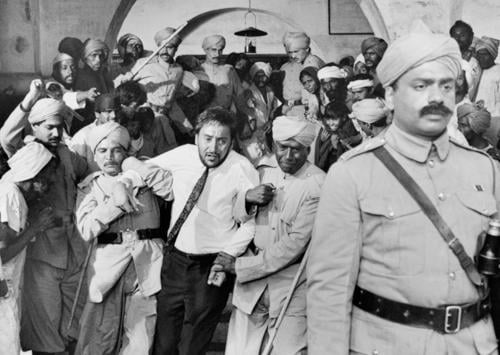
    Victor Banerjee discusses the film "Passage to India"

    Apr. 23, 1985

    In addition to talking about the film "Passage to India," Victor Banerjee, also talks about Gandhi and India's class system. Included in this interview are excerpts of Satyajit Ray and Shanta Gandi.

  • Eqbal Ahmad and Muhammad Yunus

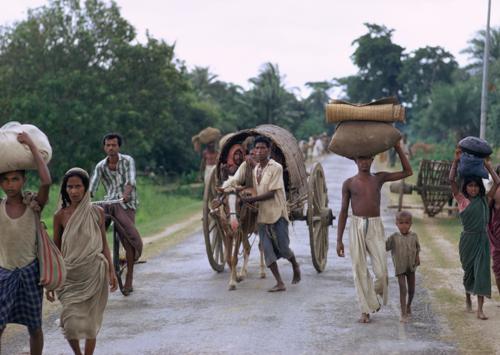
    Eqbal Ahmad and Muhammad Yunus discuss Pakistan

    1970

    Eqbal Ahmad and Muhammad Yunus discuss the current state of East and West Pakistan with Studs Terkel. Topics of discussion include current food shortages, United States intervention in South and Southeast Asia, military rule in Pakistan, cultural differences between East and West Pakistan, and the human toll resulting from the military government, disease, and natural disasters. Includes an excerpt of a recording of Shanta Gandhi telling a story about an audience member’s response at the end of a play she performed during the Bengal Famine.(Wav ID: 1863201-3-1, 3-2, 3-3)

Major Support Provided By
The Becca Kopf Memorial Circle of Friends
WFMT Radio Network & Chicago History Museum

This site is being managed by WFMT in partnership with the Chicago History Museum.

Library of Congress

In-kind digitization services of the Studs Terkel Radio Archive are provided by the Library of Congress.

National Endowment for the Humanities

The Studs Terkel Radio Archive has been made possible in part by a major grant from the National Endowment for the Humanities: Exploring the human endeavor.

Studs Terkel Radio Archive

All Programs About The Archive About Studs Supporters Contact

©2026 WFMT Radio Network | Site by Jell Creative

Any views, findings, conclusions, or recommendations expressed in this web resource do not necessarily represent those of the National Endowment for the Humanities.