

-
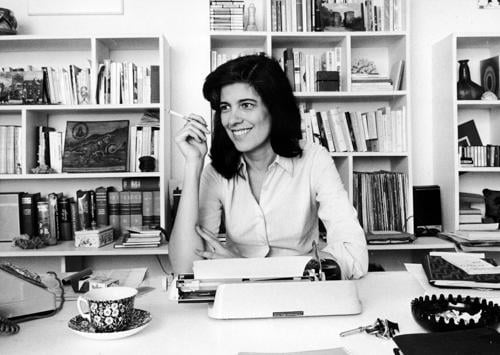
Susan Sontag discusses Tuberculosis
Jun. 30, 1978 Sontag reads from "Illness as Metaphor" and discusses differences between diseases, particularly tuberculosis and cancer, regarding historic understanding and cultural representation.
-

Rudolf Dreikurs discusses his book "Social Equality and the Challenge of Today" ; part 1
1968 Child psychiatrist and educator Rudolf Dreikurs discusses his book "Social Equality and the Challenge of Today," Part 1 of 2. The discussion focuses on child psychiatry and human misbehavior.
-
Robert Jay Lifton discusses his book "Home from the War"
Jun. 21, 1973 In his book, "Home From the War: Learning from Vietnam Veterans", Robert Jay Lifton reflects on what he's learned from talking with soldiers who came home from the Vietnam War. For some men, guilt and betrayal were common issues -- guilt in what they had done while in Vietnam and betrayal of what their superiors and the government had told them about the war itself.
-
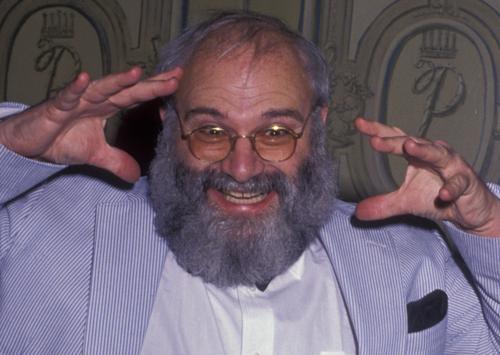
Oliver W. Sacks talks with Studs Terkel
Mar. 15, 1995 Discussing the book "An Anthropologist on Mars: Seven Paradoxical Tales" (published by Knopf) with the author, neurologist Dr. Oliver Sacks.
-
Muriel Gardiner discusses her books "Code Name Mary" and "The Deadly Innocents"
Nov. 26, 1984 Muriel Gardiner's background and her time spent in Austria are the topics of "Code Name 'Mary': Memoirs of an American Woman in the Austrian Underground". With her book, "The Deadly Innocents: Portraits of Children Who Kill," Gardiner studies the lives of 10 kids who kill or attempt to kill.
-
Jill Tweedie discusses and reads from her book “In the Name of Love” with Alan Brien
British feminist and journalist Jill Tweedie discusses and reads from her book “In the Name of Love” with British journalist and humorist Alan Brien. Tweedie explores the scientific and psychological nature of what it means to “love” and how this differs from passion and romance. Studs plays "Loveless Love" - Billie Holiday (1940) and "Douce Dame Jolie" - Roland Hayes (1966).
-
Interviewing Anthony Storr
Jun. 8, 1989 In his book, Solitude: A Return to the Self, the British author and psychiatrist explores the importance of time spent alone and how this fuels creativity. This program also includes a recording of Carl Sandburg reading poetry.*Please note: some sections have been edited out from the original recording due to copyright considerations
-
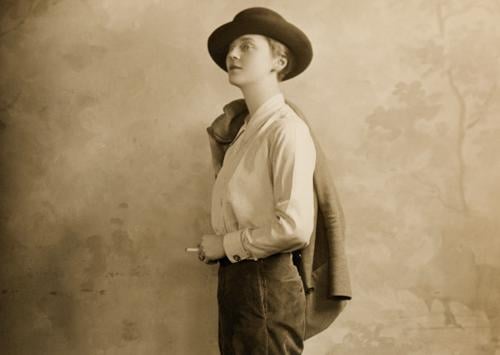
Eva Le Gallienne discusses theater
Feb. 1, 1965 Eva Le Gallienne discusses and compares American theater and European theater. She also discusses different playwrights such as Henrik Johan Ipsen and Anton Chekhov.
-
Elizabeth Janeway discusses her book "Between Myth and Morning"
Nov. 12, 1974 Elizabeth Janeway discusses the women’s movement and her book, “Between Myth and Morning: Women Awakening.” Topics include dominance and equality, women’s history, the power balance between men and women, and relationships and autonomy. Includes a recorded reading of William Butler Yeat’s Crazy Jane poem, “The Solid Man and the Cockscomb” and an excerpt from a previously recorded interview with Maggie Kuhn, founder of the Gray Panthers.
-
Dr. Willard Gaylin discusses his book "Rediscovering Love"
Oct. 10, 1986 Thinking a person is special and trusting that person and committing yourself to that person are two steps for real love, as covered in Dr. Willard Gaylin's book, "Rediscovering Love". One can not go through life in an armored car but rather Gaylin talks about taking risks. One of Gaylin's last points, if you find yourself in a loveless life, to compensate, give love away.
-
Dr. Theodor Rosebury discusses his book "Life on Man"
1969 Dr. Theodor Rosebury dissects cultural ideas around cleanliness and shame as presented in his book "Life of Man".
-
Discussing the book "Walter Lippmann and the American century" with the author Ronald Steel
Sep. 18, 1980 Studs Terkel and Ronald talk about Lippmann's privileged early life, his time at Harvard, and his positions as editor of The New Republic and New York World. They also discuss Lippmann's silence — as a Jewish man — regarding persecution of Jews in World War II.
-
Candace Falk discusses her book "Love, Anarchy, Emma Goldman: A Biography"
Apr. 23, 1985 Candace Falk discusses Emma Goldman and reads from her biographical novel on Goldman entitled "Love, Anarchy, Emma Goldman: A Biography." This interview gives a summary of Goldman's life and accomplishments as an anarchist political activist, particular emphasis is placed on Goldman's efforts, writings, and speeches relating to the free love movement. A reading from Emma Goldman's "Marriage and Love" is also included. Studs plays "The Rebel Girl" - Joe Glazer (1954).
-
Author Ronald Steel discusses his book "Walter Lippmann and the American Century."
Nov. 1981 Ronald Steel goes in-depth about his biography of journalist Walter Lippman.
-
A discussion with D.M. Thomas
Mar. 11, 1982 The British poet, translator, and novelist discusses his best-selling novel, The White Hotel, which was loosely based on the case studies of Sigmund Freud.*Please note: some sections have been edited out from the original recording due to copyright considerations