

-

Sally Heyneman and Janette Pankow discuss autism and the STEP (School for the Treatment of Emotional Problems)
Oct. 14, 1975 Teacher Sally Heyneman and parent Janette Pankow discuss the STEP (School for the Treatment of Emotional Problems). Heyneman is a teacher at the STEP school in South Shore and Pankow's son, Tony, is a student there. A brief audio clip from a previous interview with Heyneman and Alice Jerome discussing the STEP school in 1970 is played at (00:23:00).
-
Sally Diamond and Kathy Loftus discuss day care centers.
Nov. 21, 1973 Sally Diamond and Kathy Loftus discuss the crisis in day care centers. They also discuss working families and families on welfare. Includes an earlier interview with Kathy Loftus.
-
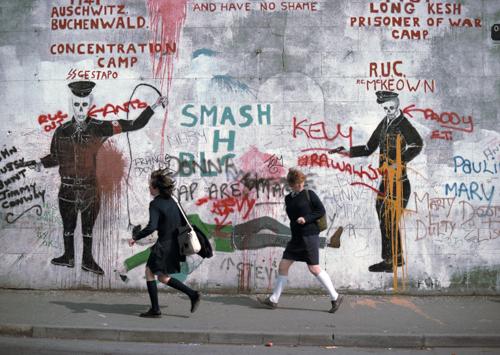
Sally Belfrage discusses her book “Living with War: A Belfast Year”
Oct. 23, 1987 Investigative journalist Sally Belfrage discusses her book “Living With War: A Belfast Year.” Belfrage discusses the complexities of the British and Irish relationship in Belfast and how opinions on this subject change from generation to generation. Studs plays Ireland's national anthem “Amhrán na bhFiann / The Soldier’s Song”; a traditional Irish song “The Sash My Father Wore”; and "Four Green Fields" - Tommy Makem and The Clancy Brothers (1969).
-
-
Ryland Davies and Margaret Price discuss opera and their performance in Mozart's "Don Giovanni"
1972 Ryland Davies and Margaret Price discuss opera, Welsh art and culture, and their musical upbringings. They discuss various characters and operas they have performed in, including "Don Giovanni" and "Lulu". Music is played throughout the original airing, but has been removed from this recording for copyright reasons.
-
Ruth Page discusses her life and career in ballet
Apr. 11, 1978 According to Ruth Page, she nearly fainted at the touch of Anna Pavlova's hand when they danced together. Pavlova remained a great inspiration to Ruth Page. Anyone can dance, explained Page, but she really admired great choreographers like Martha Graham and George Balanchine. Page said, good dancers are not copiers and they do something new.
-
Ruth Page discusses Chicago ballet production "November Steps" with Minsa Craig and a conversation with Martha Graham from years earlier
Nov. 22, 1976 Studs Terkel talks with Ruth page and Minsa Craig on the Chicago ballet production "November Steps."
-
Ruth Page and Lou Conte reflect on dance and their Chicago dance companies
May. 12, 1980 Studs Terkel interviews Ruth Page and Lou Conte on their experience in Dance and their Chicago dance companies.
-
-
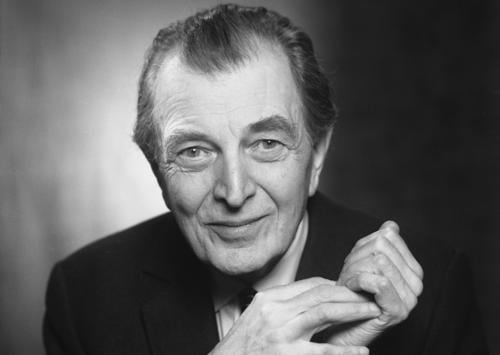
Russian-born composer Alexander Tcherepnin talks with Studs Terkel
Apr. 13, 1965 Studs Terkel and Tcherepnin discuss Tcherepnin's early years in Leningrad, his creative drive and its relation to real-life experiences and the influence of Chicago on his 1953 Op. 87 Suite for Orchestra.
-
Russell Sherman discusses and reads from his book “Piano Pieces”
May. 17, 1996 Author and pianist Russell Sherman discusses his book “Piano Pieces” and the philosophical concepts associated with listening to and playing music. Sherman plays a selection of compositions in the studio.
-
Russell Barrett discusses his book, "Integration at Ole Miss"
Mar. 9, 1965 Political science professor and author Russell Barrett discusses and reads excerpts from his book, “Integration at Ole Miss.” He examines the legal challenges, apathy, and aggression that contributed to the build up of racial tensions leading to the enrollment of the University of Mississippi’s first black student — James Meredith — and the resulting riots and violence. Includes a recording of the Chad Mitchell Trio singing "Alma Mater (About Ole Miss)."*Please note: some sections have been edited out from the original recording due to copyright considerations
-
Russell Banks reads from and discusses his book "Affliction"
Sep. 22, 1989 Lies, violence and history repeating itself are all topics covered in Russell Banks' book, "Affliction." Banks points out that his novel is about the men's complicated attempt to transcend their burdens.
-
Russell Baker reads from and discusses his book "The Good Times"
Sep. 21, 1990 Back in his day, there was no journalism school, explained Russell Baker. He spent time with the police and that's how he often got his stories about the underclass or the superfluous. Baker pointed out when a paper didn't want to print one of his stories, Baker was told the subject matter was in poor taste.
-
Rudolph Ganz discusses his career
Feb. 23, 1964 When Rudolf Ganz was younger, he first played the cello. After his cello broke into 800 pieces, Rudolph Ganz's father told Ganz he had to play the piano. Ganz became a world-renowned pianist and composer. Ganz's attitude toward music: in order to be progressive, one has to respect the past.