

-

St. Clair Drake and Paul Mundy discuss prejudice ; part 4
1965 Discussing prejudice in communities with Dr. St. Clair Drake and Dr. Paul Mundy. They discuss discrimination, racism, integration, and other similiar topics.
-
St. Clair Drake and Paul Mundy discuss prejudice ; part 3
1965 Discussing prejudice in communities with Dr. St. Clair Drake and Dr. Paul Mundy. They discuss stereotypes, racism, and race relations.
-
St. Clair Drake and Paul Mundy discuss prejudice ; part 1
1965 Discussing the community and prejudice with Dr. St. Clair Drake and Dr. Paul Mundy. Includes an interview with a boy named Tony discussing relations with African American people.Content Warning: This conversation includes racially and/or culturally derogatory language and/or negative depictions of Black and Indigenous people of color, women, and LGBTQI+ individuals. Rather than remove this content, we present it in the context of twentieth-century social history to acknowledge and learn from its impact and to inspire awareness and discussion.
-
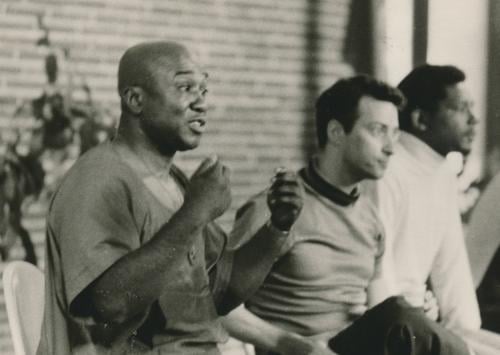
Mel River, Ken Jackson, and Fran Christman discuss criminal justice reform and advocacy
Nov. 20, 1970 Discussing prisons and interviewing members of the Fortune Society, an reentry services and advocacy group for individuals with justice involvement, headquartered in New York City. They also discuss capital punishment and life in prison. www.fortunesociety.org
-

Madalyn Murray discusses her family history, feminism, and theology
Dec. 13, 1966 Madalyn Murray discusses her family history, feminism, and theology and how her experiences with those subjects have shaped her worldview.
-
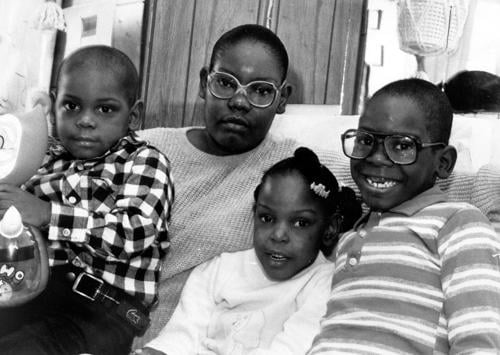
Jonathan Kozol reads from and discusses his book "Rachel and Her Children: Homeless Families in America"
Jan. 16, 1989 The people living at the Martinique feel as though they are a toxic waste substance being compressed in the density living quarters, explains Jonathan Kozol. Rachel of Kozol's book, "Rachel and Her Children: Homeless Families in America" said people don't want to see them. Refering to the song, "We are the World, " Rachel also asks how come people care so much for people they can't see? "We are the world, " says Rachel. "We live here, too".
-
Jean Shepherd discusses his book "In God We Trust: All Others Pay Cash"
Dec. 1, 1966 Jean Shepherd discusses his book "In God We Trust: All Others Pay Cash." Includes earlier clips of Shepherd speaking and excerpts of him reading from the book.*Please note: some sections have been edited out from the original recording due to copyright considerations
-
Harrison Evans Salisbury discusses his book "A Time of Change"
Mar. 18, 1988 His experiences as a journalist are what's covered in Harrison Evans Salisbury's book, "A Time of Change: A Reporter's Tale of Our Time". Salisbury believed as a reporter, one truly needed to be at the event, in order to obtain the true story. Once Salisbury questioned if he was living in America because he was asked to switch rooms at a hotel in Birmingham, only to find out later that there were special, bugged rooms for reporters.
-
Gladys Joyce Adams and Yvonne Hammond discuss female youth in Chicago ; part 2
1968 The D. J.'s, a group of teenagers, discuss their lives, interests, and ambitions. Gladys Joyce Adams and Yvonne Hammond discuss the female youth and youth groups in Chicago. Joyce and Hammond discuss the girl's club the Divine Ladies and other girl's clubs. Christy and Frank Carney in "West Side" (part 3).
-
Fred Christy and Frank Carney discuss life in Chicago ; part 1
1968 Fred Christy and Frank Carney discuss life, family, youth, and demographics in Chicago. Includes Studs Terkel interviewing a group of teenagers who call themselves the D.J.'s. about their life and ambitions.
-
Frank Carney, Susie Gelaga, Linda Gelaga, Molly Gelaga and Fred Christy discuss the youth of Chicago ; part 2
1968 Interviewing Frank Carney, Susie Gelaga, Linda (daughter-in-law), Molly (daughter), and Fred Christy. They discuss the youth in Chicago, their own life experiences, and wants.
-
Frank Carney, Susie Gelaga, Linda Gelaga, Molly Gelaga and Fred Christy discuss the youth in Chicago ; part 1
1968 Interviewing Frank Carney, Susie Gelaga, Linda (daughter-in-law), Molly (daughter), and Fred Christy. They discuss the youth of Chicago and their own life experiences.
-
Brick Top discusses her career, her colleagues, and the jazz scene
May. 6, 1975 Brick Top discusses her career, her colleagues, and the jazz scene.
-
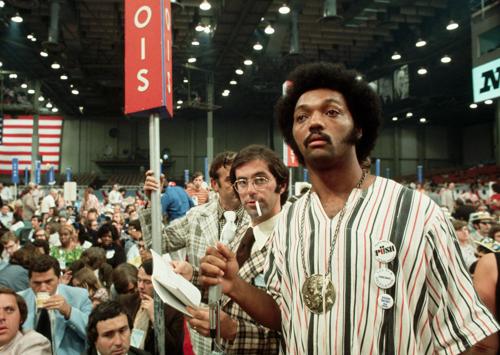
Barbara Reynolds discusses her book "Jesse Jackson, the Man, the Movement, the Myth"
May. 27, 1975 Discussing "Jesse Jackson, the Man, the Movement, the Myth" and interviewing the author Barbara Reynolds.