

-
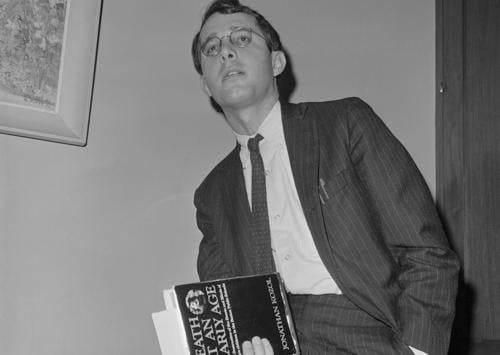
Jonathon Kozol discusses his book "Free schools" and education
Apr. 11, 1972 Discussing the book, "Free schools," and interviewing the author Jonathan Kozol. Jonathon Kozol also discusses education. Includes interview clip of Kermit Eby.
-
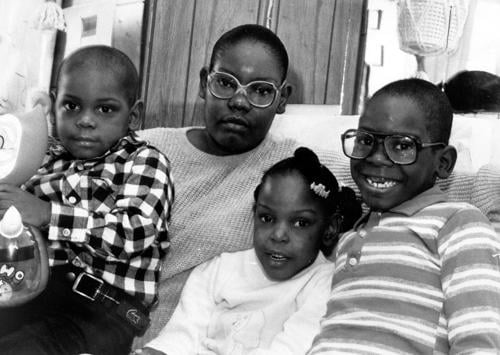
Jonathan Kozol reads from and discusses his book "Rachel and Her Children: Homeless Families in America"
Jan. 16, 1989 The people living at the Martinique feel as though they are a toxic waste substance being compressed in the density living quarters, explains Jonathan Kozol. Rachel of Kozol's book, "Rachel and Her Children: Homeless Families in America" said people don't want to see them. Refering to the song, "We are the World, " Rachel also asks how come people care so much for people they can't see? "We are the world, " says Rachel. "We live here, too".
-
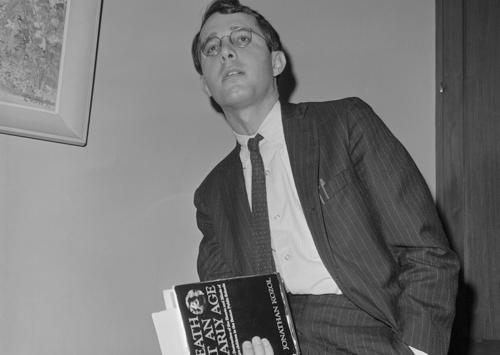
Jonathan Kozol discussing his book "The Night is Dark and I am Far From Home"
Oct. 27, 1975 Discussing the book, "The Night Is Dark and I Am Far from Home," about improving education and innovation in teaching methods,and interviewing the author, Jonathan Kozol.
-

Jonathan Kozol discusses his book "Savage Inequalities"
Sep. 18, 1991 With his book, "Savage Inequalities: Children in America's Schools," Jonathan Kozol spent time in six different schools and concluded that the school systems are no better off than they were 20 years ago.*Please note: some sections have been edited out from the original recording due to copyright considerations
-
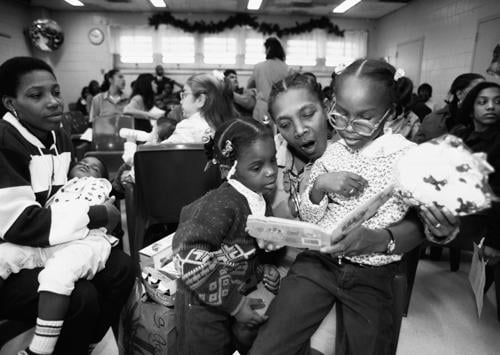
Jonathan Kozol discusses his book "Illiterate America"
Dec. 1, 1985 Jonathan Kozol discusses his book "Illiterate America." Includes an interview of a black teenager student named Jimmy.
-
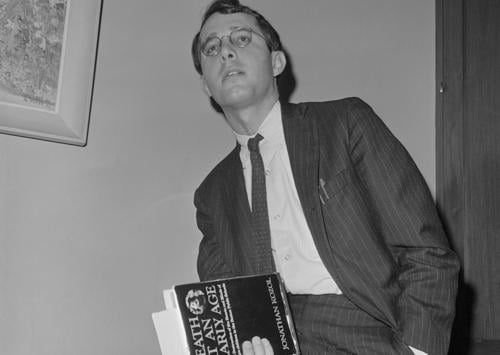
Jonathan Kozol discusses his book "Children of the Revolution: A Yankee Teacher in the Cuban Schools"
Nov. 10, 1978 Studs has a spirited discussion with Jonathan Kozol who shares his adventures and learnings in Cuba that formed the basis of his book "Children of the Revolution: A Yankee Teacher in the Cuban Schools." Kozol explains the ambitious Cuban Literacy Campaign begun in the 1960s that aimed to educate the entire population, tells of children teaching adults in remote villages by lantern light, and the unity and national pride that resulted. He and Studs explore the idea of generative words in literacy education and contemplate Kozol's hope to adapt a similar approach to American education.
-
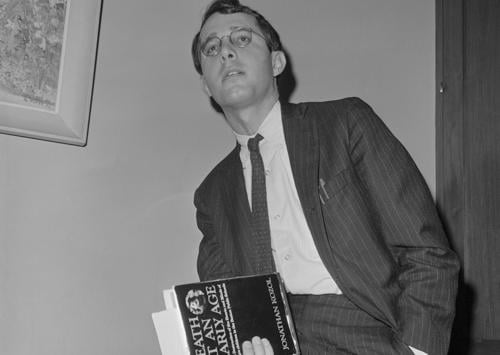
Jonathan Kozol and Patrick Zimmerman discusses about american education focusing in the Southern School at Uptown, Chicago
Nov. 13, 1973 Jonathan Kozol, the author of "Death at an Early Age" talks about issues of educational inequality and racial justice. Paul Zimmerman, former public teacher, talks about his experience creating what becomes to be the Southern School at Uptown, Chicago.