Main navigation

  • Home
  • Explore
  • Interact
      • Clips Explore themed playlists of audio clips from the Archive.
      • Reuse Listen to creative reuses of Studs’ interviews.
      • Remix Combine audio from the Archive to create entirely new works.
  • Podcast
  • Classroom
  • Donate
People
Topics
Has Audio or Transcript
Showing 1 - 3 of 3 results
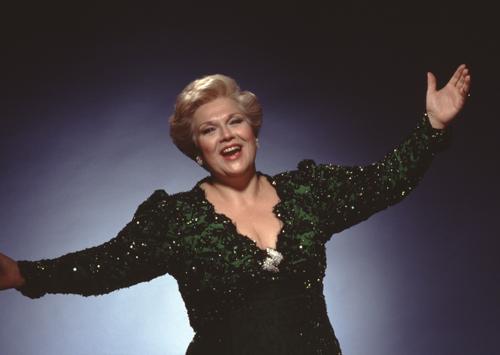
  • Marilyn Horne

    Marilyn Horne talks about her music career and her upcoming performance in "Rinaldo" at the Chicago Opera Theater

    May. 2, 1984

    Marilyn Horne talks about her music career and her upcoming perfomance in "Rinaldo" at the Chicago Opera Theater

  • Interviewing violinist Nadja Salerno-Sonnenberg

    Dec. 5, 1990

    Virtuoso violinist Nadja Salerno-Sonnenberg discusses her training, performance style and reactions to it, attracting a younger classical audience, and comments on several of her recordings.

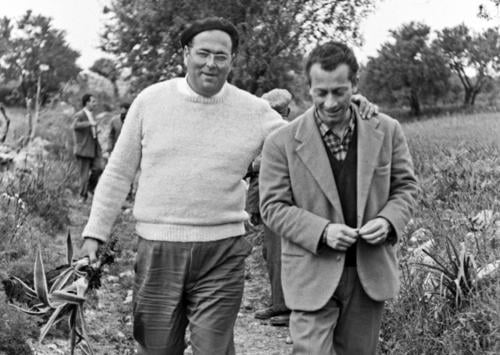
  • Danilo Dolci

    Danilo Dolci discusses his career, life in Italy, and his book "The Man Who Plays Alone"

    1970

    Danilo Dolci discusses his life in Italy, his book "The Man Who Plays Alone", architecture, agriculture, social activism, his inspirations, and his career. Tom Cornell translates for Danilo Dolci. Includes at the end of the program an Italian song by Jerre Mangione and an Italian song called "Bella Ciao".

Major Support Provided By
The Becca Kopf Memorial Circle of Friends
WFMT Radio Network & Chicago History Museum

This site is being managed by WFMT in partnership with the Chicago History Museum.

Library of Congress

In-kind digitization services of the Studs Terkel Radio Archive are provided by the Library of Congress.

National Endowment for the Humanities

The Studs Terkel Radio Archive has been made possible in part by a major grant from the National Endowment for the Humanities: Exploring the human endeavor.

Studs Terkel Radio Archive

All Programs About The Archive About Studs Supporters Contact

©2026 WFMT Radio Network | Site by Jell Creative

Any views, findings, conclusions, or recommendations expressed in this web resource do not necessarily represent those of the National Endowment for the Humanities.