

-

Nelson Algren discusses love of a city
Mar. 9, 1961 Author Nelson Algren discusses what it means to love a city, the re-release of his book, "Chicago: City on the Make," and his interactions with Irish writer and playwright, Brendan Behan.
-
Nelson Algren discusses capital punishment
1965 Discussing capital punishment with author Nelson Algren. Includes interviews with William (Bill) Witherspoon, a death row inmate; Jack Johnson, warden of Cook County Jail; and an [unidentified woman] who marched in protest at the execution of James Dukes in 1962.
-
Nelson Algren discusses "How the Devil Came Down Division Street"
Feb. 2, 1959 Nelson Algren discusses his short story, "How the Devil Came Down Division Street," the art of writing, and writers of the Beat Generation.
-
Nelson Algren and Mario De Vecchi discuss "La Dolce Vita," part 1
Jun. 17, 1961 Nelson Algren and Mario De Vecchi discuss the international appeal of Federico Fellini’s film, “La Dolce Vita.” In part one, Algren and Devecchi focus on the film’s main character, journalist Marcello Rubini, and his quest for identity, particularly in relation to his interactions with the film’s intellectual character, Steiner. They discuss the film’s key metaphorical images and its portrayal of the influence of media and the emotional detachment and dehumanization it can create.
-
Nelson Algren and Mario De Vecchi discuss ; part 2
Jun. 17, 1961 In this continued discussion of “La Dolce Vita,” Nelson Algren and Mario Devecchi discuss the film’s critical reception, the contrast it draws between humor and bitterness, and the religious and moral nature of the film. Includes part of the 36th issue of the Fiction Review, featuring host Bob Lefley, a review of the program’s first series of interviews with numerous authors, and a biography of writer Howard Nemerov.
-

Neil Sheehan discusses his book "A Bright Shining Lie"
Nov. 1, 1988 With his book, "A Bright Shining Lie: John Paul Vann and America in Vietnam", Neil Sheehan wanted to tell what happened in Vietnam and why it happened through telling the story of Lt. Colonel John Paul Vann. Sheehan said Vann had a keen sense of reality. Vann knew if they didn't change the Saigon government into something decent that would appeal to its own people, they'd never succeed at anything other than getting American soldiers killed for nothing. Although readers will find painful experiences in the book, Sheehan explained that his book is not an anti-war book.
-
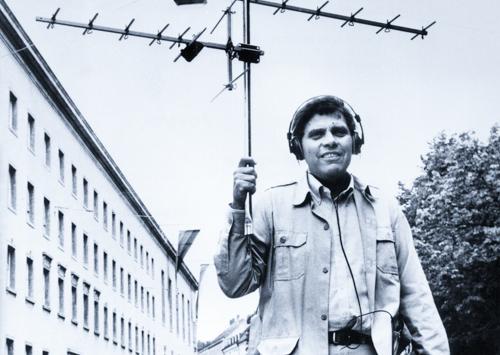
Neil Postman discusses the book, "The School Book: For People Who Want to Know What All the Hollering Is About,".
Feb. 8, 1974 Neil Postman, an author, educator, media theorist and cultural critic discusses his book; "The School Book: For People Who Want to Know What All the Hollering Is About,". Mr Postman and Studs talk about his definition of what school is for and it's worth, and they converse about several sections of the book. Mr. Postman reads an excerpt from his book to begin the interview.
-
Neil and Susan Sheehan discuss their respective books “A Bright Shining Lie: John Paul Vann and America in Vietnam" and "Is There No Place on Earth for Me?"
Apr. 11, 1990 Studs Terkel speaks with journalists Neil and Susan Sheehan about their respective books “A Bright Shining Lie: John Paul Vann and America in Vietnam” and “Is There No Place on Earth for Me?” Further discussion is had about journalism and Neil and Susan’s collaborations together. Audio clips of when Neil Sheehan and Susan Sheehan were previously on Terkel’s program are played.
-
Neil and Susan Sheehan discuss journalism
Jun. 9, 1972 Studs Terkel talks with journalists Neil and Susan Sheehan about objective and responsible journalism, as well as what can influence a news story. A sound bite of photographer Jerome Zerbe is played where Zerbe discusses taking photos of the upper class during the Great Depression. Another sound bite is played of a man named Joe Begley discussing how laws created during the Great Depression should have met the needs of the people better.
-
Ned Rorem discusses his writing and compositions
1966 Ned Rorem discusses the differences between writing books and writing compositions, his book "The Paris Diary of Ned Rorem", and how he uses poetry in his compositions.
-
Ned Rorem discusses his career as a composer and his memoir "An Absolute Gift"
Nov. 20, 1980 Studs interviews Ned Rorem about his work and book "An Absolute Gift." Rorem discusses his work and how his Quaker background has influenced his work. He reflects on poets and other composers. Rorem shares the people and events that have influenced him and the arts. The musical recordings are not included in this edited version of the original.
-
Ned Rorem discusses his career
Mar. 22, 1984 Studs Terkel interviews composer Ned Rorem. They discuss Rorem's childhood, music, poetry, languages, and religion.
-
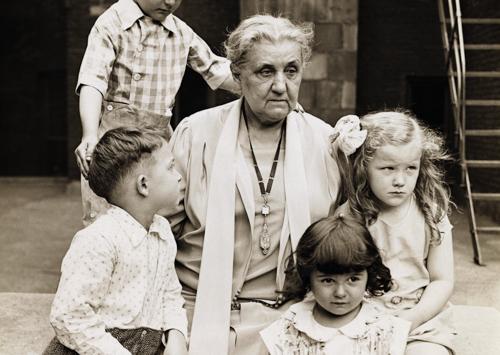
Ned Goldberg, Bertice MacDonald, Alan D. Wade discuss social work, Jane Addams and the War on Poverty
May. 1, 1966 Ned Goldberg, Bertice MacDonald, Alan D. Wade discuss social work, Jane Addams and the War on Poverty. Wade's article "What Would Jane Addams Do?" led the conversation. The three panelists are part of the National Association of Social Workers.
-
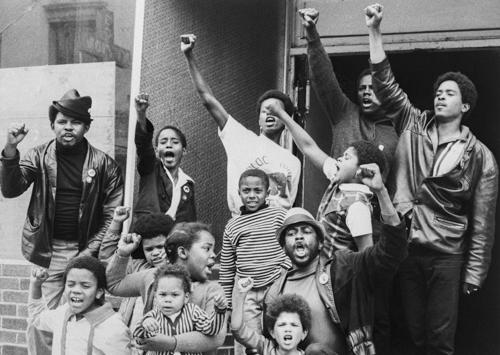
Nathan Wright discusses Black power ; part 2
1967 Discussing the book "Black Power and Urban Unrest" and interviewing the author Nathan Wright.
-
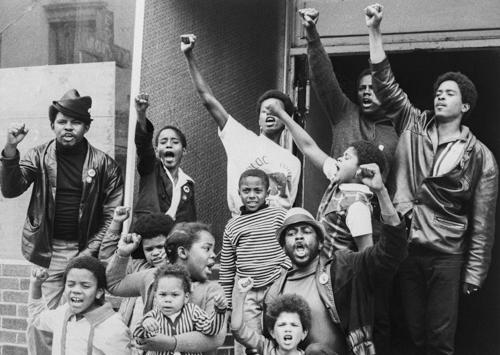
Nathan Wright discusses Black power ; part 1
1967 Author and scholar Nathan Wright discusses black power and identity and his book, “Black Power and Urban Unrest.” Wright talks about the importance of identity in the Black community; leadership; violence and poverty in urban Black communities; the importance of higher education for Blacks; and the nature of power and how its creative use can bring about social change.