

-

Patrick Zimmerman discusses his teaching methods for childhood education in low-income neighborhoods ; part 2
Sep. 1, 1970 Former public school teacher Patrick Zimmerman continues discussing his alternative teaching methods for childhood education in low-income and underrepresented communities in Chicago. Zimmerman discusses how the scientific emphasis of schooling today is stifling a child’s success in the classroom and calls instead for a balance between a scientific approach and a free-school approach.
-
Patrick Zimmerman discusses his teaching methods for childhood education in low-income neighborhoods ; part 1
Sep. 1, 1970 Former public school teacher Patrick Zimmerman discusses education and the free school movement for low-income and underrepresented communities in Chicago. Zimmerman discusses his time spent as a public school teacher and how this inspired his transition to teaching using alternative schooling methods in childhood education.
-
Patrick Henry, Tricia Alexander in conversation with Studs Terkel
May. 21, 1986 Discussing PROJECT! with Free Street Theater founder Pat Henry and lyricist Tricia Alexander. Produced by the Free Street Theater, PROJECT! is a series of inner-city vignettes in song and dance about life in an inner-city housing project. All of the actor
-
Patrick Henry and cast discuss the plays he's directing "To Life" and "What Do You Want to be When You Grow Old"
1984 Interviewing the company of Free Street Too with Pat Henry, Free Street Theater founder and producer. Free Street Theater is an arts outreach organization that provides workshops in writing, theater, music and dance and stages performances for populations
-
Patricia O'Brien, Nieman Fellow, discusses her book, "The Woman Alone" and the women's movement strike
Jul. 6, 1973 Studs interview with Patricia O'Brien about her book, "The Woman Alone" and a large variety of issues of the women's movement. Studs includes parts of interviews he did with a middle-aged man and woman on the day of the women's strike. He also included an excerpt from his interview with Peggy Terry. O'Brien reads excerpts from her book including a poem by May Sarton. Studs quotes Jane Howard, Jane Kennedy, and the wife of Senator Birch Bayh.
-
Patricia Bosworth discusses her book “Anything Your Little Heart Desires: A Portrait of an American Family”
Jun. 24, 1997 Author and actor Patricia Bosworth discusses her book “Anything your Little Heart Desires,” which details her upbringing and her father’s life as a lawyer.
-
Pat Watters discusses his book "Angry Middle-Aged Man"
Jan. 13, 1977 Discussing the book "Angry middle-aged man" with Pat Watters.
-
Pat Thompson discusses her background and her TV reporting career
Jan. 14, 1975 A reporter for WMAQ-TV, an NBC affiliate, Pat Thompson talks about her background and her TV reporting career. Ms. Thompson loved to read books, to be in other locales. Going into TV was the result of realizing she received her news mostly from the television.
-
Pat Duncan discusses Apartheid and South Africa ; part 1
1963 South African anti-apartheid activist Pat Duncan discusses Apartheid and South Africa, part 1.
-
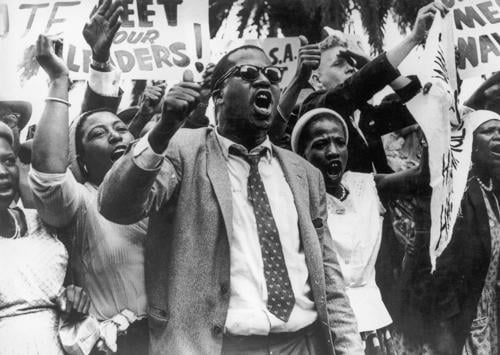
Pat Duncan and Deborah Cowan discusses Apartheid and South Africa ; part 2
1963 Pat Duncan and Deborah Cowan discusses Apartheid and South Africa, part 2. Duncan's portion of the program concludes at 00:14:20, and the rest of the program features Cowan.
-
Pat Anstett, Kathy Loftus and Wanda Morris discuss Federal budget cuts
Mar. 20, 1973 Pat Anstett, Kathy Loftus and Wanda Morris discuss federal budget cuts to health, education and welfare. Studs and the three ladies talk about how many people are effected by these budget cuts and the programs that will be cut.
-
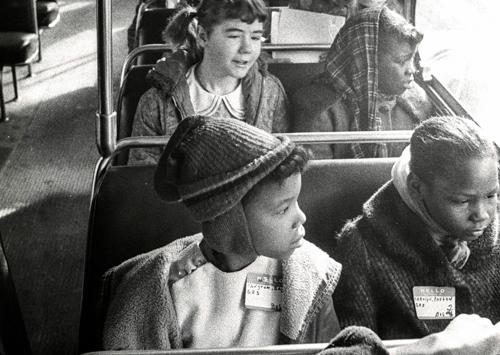
Parents of school children talk about integration and busing
Aug. 26, 1981 Interviewing Karen Grzybek, Barbara Tekiela and Mark Smith, parents of Chicago schoolchildren.
-
Panel of women recipients discuss being welfare recipients in Chicago
Jan. 1, 1969 A panel of women discuss raising their families while getting welfare assistance and living in poverty in Chicago.
-
Panel discusses nuclear warfare and its consequences
Jun. 19, 1981 Discussing nuclear armageddon and the medical consequences of nuclear war with panel Herbert Scoville, George Kistiakowsky, Dr. Jack Geiger and Dr. Quentin Young.
-
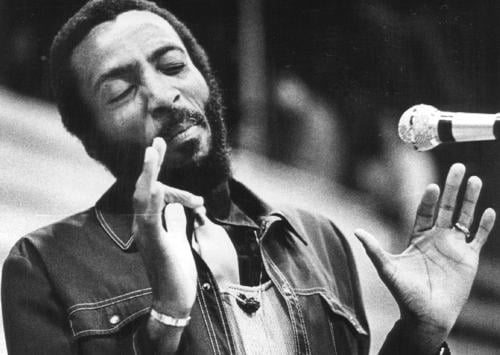
Panel at University of Chicago Law School discuss ending capital punishment, part 3
Feb. 19, 1965 Dick Gregory satirizes capital punishment in the United States, calls for the churches to take action, and talks about potential actions from "demonstrators." Other panel members answer audience questions (Father James Jones, Norval Morris, Hans W. Mattick, and Arthur Wineberg). Hosted by the University of Chicago. (Part 3 of 3)