

-
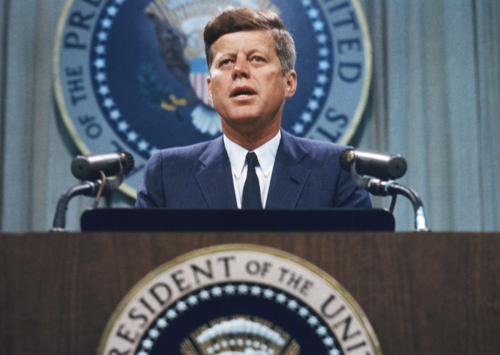
Daniel Boorstin discuses his book "The Image: A Guide to Pseudo-Events in America"
1960 Discussing the book "The Image: A Guide to Pseudo-Events in America" and interviewing the author Professor Daniel Boorstin.
-

Daniel Bluestone discusses his book “Constructing Chicago”
Nov. 13, 1991 Daniel Bluestone, architectural historian, discusses modern architecture and the endurance and legacies of 19th century designs in Chicago. Includes a 20 seconds test tone.
-
Dan Wakefield discusses his book “Supernation at Peace and War”
1960 Writer Dan Wakefield discusses his book “Supernation at Peace and War” with Studs Terkel. Further discussion is had over civil unrest, draft dodging, and social injustices during the Vietnam War.
-
Dan Wakefield discusses his book “Between the Lines”
1967 Writer Dan Wakefield discusses his book “Between the Lines,” his relationship with C. Wright Mills, and his career. Wakefield reads the epigraph from his book.
-
Dan Tucker discusses his opera writings and Sasha Gerritson, David Richards, and David Laub discuss their works
Jun. 18, 1997 Studs interviews Chicago Tribune reporter turned opera composer, Dan Tucker. He discusses how his music was inspired by poets Federico García Lorca and William Shakespeare and authors Peter S. Beagle and Christopher Fry. Sasha Gerritson, soprano and founder of the L'Opera Piccola opera troupe, David Laub, bass baritone, and David Richards, L'Opera Piccola music director and pianist are in studio and talk about their work and thoughts on the opera songs.
-
-
Dan McCarthy and Max Smith discuss gay rights
Oct. 1, 1979 Dan McCarthy and Max Smith discuss their lives including the differences between growing up gay in different races. They also discuss religion, employment and housing issues they have encountered. Part of an earlier interview with Henry Weimhoff is played.
-
Dan La Botz in conversation with Studs Terkel
Aug. 26, 1991 Discussing the book "Rank and File Rebellion: Teamsters for a Democratic Union" (published by Verso) with the author, labor activist and historian Dan La Botz.
-

Dan Berman and Bob Fowler discuss death on the job
Mar. 29, 1979 Discussing death on the job with Dan Berman and Bob Fowler.
-
-
Dalton Trumbo reads from and discusses his book "Additional Dialogue ; part 1
Nov. 27, 1970 In his book, "Additional Dialogue: Letters of Dalton Trumbo, 1942-1962," Dalton Trumbo gives his audience a better understanding of why he was believed to have been warty, abrasive and stubborn. Trumbo believed people have the right to silence and they have the right to speak. He was angered when a book review was written about one book but another author's book was ignored. Trumbo spent time in prison where he was not allowed to write anything negative about the living conditions.
-
Dale Clevenger discusses his career as a Jazz musician and member of the Chicago Symphony Orchestra
Nov. 29, 1977 Studs interviews Dale Clevenger about his music with the Chicago Symphony and his jazz group, Ears, playing at Orphans in Chicago. They discuss the improvisation of Jazz and Bach. Clevenger mentions various Jazz musicians and their style. The music is removed from this edited version of the original recording.
-
Dale Clevenger discusses his career as a Jazz musician and member of the Chicago Symphony Orchestra
May. 13, 1980 Studs interviews Dale Clevenger about his music with the Chicago Symphony and his jazz group, Ears, playing at Orphans in Chicago. Clevenger discusses his work with the symphony. He explains why he credits David Amram for his interest in Jazz music. He names artists like Billie Holiday, Jack Teagarden, and Clark Terry as musical influences in his life. The music is removed from this edited version of the original recording.
-
Cyrus Colter reads from and discusses his novel, "The River of Eros"
Jun. 30, 1972 Set on the South Side of Chicago in 1971, Cyrus Colter's novel, "The River of Eros," is the story of Clotilda and her two grandchildren. Colter said Clotilda was very similar to the matriarchal roles of the women living in the deep South. *Please note: some sections have been edited out from the original recording due to copyright considerations
-
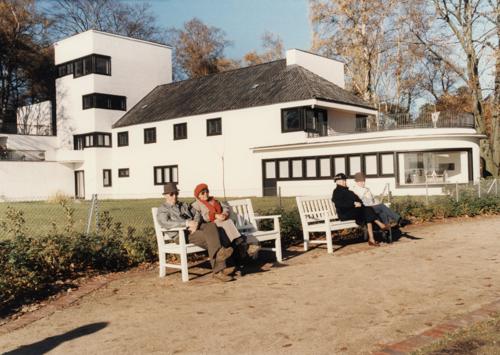
Cranston Jones talks about his book, "Architecture Today and Tomorrow" ; part 2
1961 Cranston Jones discusses the idea of architecture as art, historic architecture ideals, and the future of architecture.