

-

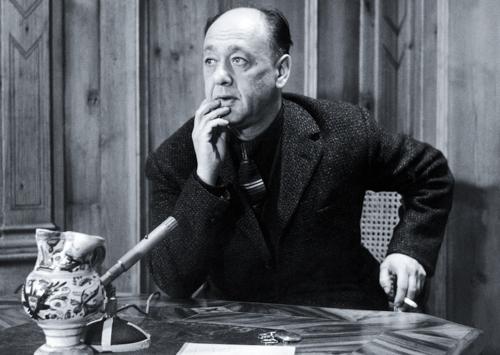
Eugene Kennedy discusses his book "Re-Imagining American Catholicism"
Feb. 17, 1986 Discussing the book "Re-Imagining American Catholicism: The American Bishops and Their Pastoral Letters," (published by Vintage Books) with the author Eugene Kennedy.
-
-
-
-
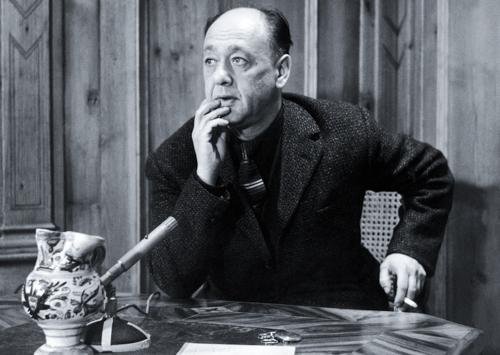
Eugene C. Kennedy in conversation with Studs Terkel
May. 4, 1989 Discussing the book "Fixes" (published by Doubleday) with the author Eugene Kennedy.
-

Ethel Merman discusses her experiences as a performer
Jun. 8, 1961 Ethel Merman, American musical theater performer, discusses her experiences as an actor and singer.
-
-
Erwin Helfer in conversation with Studs Terkel
Feb. 26, 1993 Terkel presents musical performance by Erwin Helfer
-
Erroll Garner discusses music and his career
Jul. 20, 1962 Erroll Garner, jazz pianist, talks about his music style and his career. He explains how he taught himself to play and how he creates new music. He continues to explain his unique style and how it compares to other jazz musicians.
-
Ernst Haefliger discusses his career
1970 Ernst Haefliger discusses the story of the Magelone songs by Brahms. He talks about his upbringing in Switzerland and his path to becoming a singer. He also discusses his interpretations of the roles he has played in various operas, like Tomino in "The Magic Flute". Music is played throughout: "Ruhe, Süssliebchen" by Brahms, "Leb denn wohl, Heimatland"by Janáček, an aria and a recitative from "St. Matthew Passion"by Bach, an aria from "The Magic Flute" by Mozart, and "Dichterliebe, Op.48" by Schumann. Music has been removed from this file for copyright reasons.
-
Ernestine Jackson in conversation with Studs Terkel
Oct. 5, 1989 Promoting a production of "Lady Day at Emerson's Bar and Grill."
-
Ernest Morgan discusses the Arthur Morgan School in Burnesville, NC with Studs Terkel
Aug. 9, 1965 Interview with Ernest Morgan about the Arthur Morgan School in Burnesville, NC that was founded by family. They discuss the teaching and learning ideology for the students (aged 12-16) who attend the school. Ernest describes the curriculum that includes outdoor learning in Black Mountain where the school is located. Includes a piece from an interview with Alexander Sutherland Neill about student and school adjustment. Ernest Morgan quotes Martin Luther King on maladjustment.
-
-
Erik Hesselberg discusses his navigation on the Kon-Tiki expedition
Oct. 9, 1962 In a their man-made raft, Hesselberg and his crew travelled 4300 sea miles out in the open water. Erik Hesselberg talks about navigating the three-month long expedition on the Kon-Tiki from South America to French Polynesia. Hesselberg said everyone should have such an experience as he did, to be unencumbered while out at sea.
-
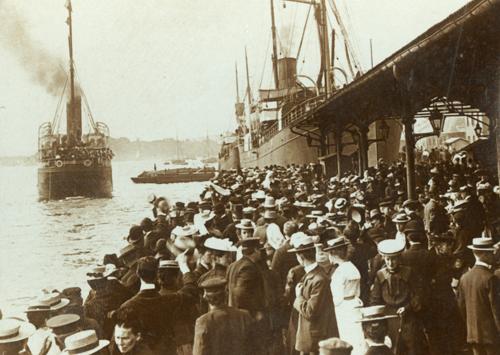
Erik Bye discusses the history of Norwegian immigration to America in the 19th century and his work as a television journalist and singer
Aug. 18, 1975 Studs interviews Erik Bye about Norwegian immigration to America and his music. They discuss the reasons why people left Norway in the 19th century and the conditions they suffered when they settled in New York. Bye explains Norwegian history and why the Norwegians moved from the American east coast to the west. Studs notes that Bye is in Chicago to gather information to produce a Norwegian television documentary about early Norwegian immigrants. Bye shares his interpretations of some of his songs and explains Norwegian music.