

-

Ella Jenkins discusses her music and her influences
Dec. 7, 1963 Using a Trobriand drum and harmonica, Ella Jenkins plays examples of call and response music with Studs. A few of her popular songs play between their discussion. Ella explains how her music came to be from the Chicago neighborhood streets with influences from her Uncle and other blues and folk musicians. Songs played include "Tahboo," "Miss Mary Mack," "You'll Sing a Song and I'll Sing a Song," "Come Dance By the Ocean," and "Dulce." Songs have been removed due to copyright restrictions.
-
Ella Jenkins discusses call and response music
Jul. 17, 1993 Using past recordings, Ella discusses how she works with children to help them find their rhythms using call and response music and percussion. She explains the West African and Latin music influences within her own music. Music played includes Jenkins' own music such as "Miss Mary Mack," "Tahboo," and "Where Has My Little Dog Gone?" She also plays song written by Carl Orff and performed by the Chorus of the Children's Opera Group, such s "Pat-a-Cake," and "Name-Calling." Untitled West African music is also played. Music has been removed due to copyright restrictions.
-
Elisabeth Schwarzkopf discusses her roles and interpretation ; part 2
Apr. 11, 1962 According to Elisabeth Schwarzkopf, at a young age, she first started to play the piano and viola before she studied singing. Madame Schwarzkopf explained the importance of being able to play different roles. With regards to luck, Schwarzkopf says it happens only once, when one finds the right teacher. All the rest, explains Schwarzkopf is hard work.
-
Elisabeth Schwarzkopf discusses her roles and interpretation ; part 1
Apr. 11, 1962 Studs Terkel talks with Elisabeth about her career in opera. She discusses her thoughts of her overall career.
-
Elisabeth Schwarzkopf discusses her role as The Marschallin in Der Rosenkavalier ; part 3
Nov. 2, 1960 Studs Terkel discusses with Elizabet her her role as The Marschallin in Der Rosenkavalier. This interview is done in three parts.
-
Elisabeth Schwarzkopf discusses her role as The Marschallin in Der Rosenkavalier ; part 2
Nov. 2, 1960 Studs Terkel discusses with Elizabeth her her role as The Marschallin in Der Rosenkavalier. This interview is done in three parts.
-
-
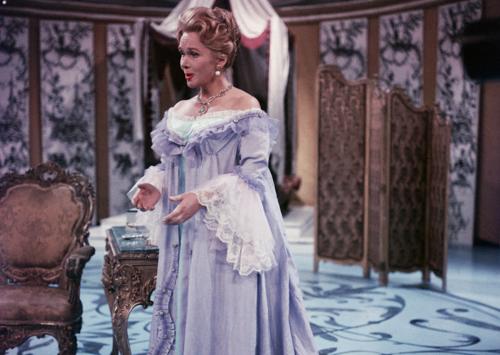
Elisabeth Schwarzkopf discusses her career a week after a performance at Ravinia ; part 2
Jul. 16, 1965 Interviewing soprano Elisabeth Schwarzkopf.
-
Elegy for three non-adjusted men: Big Bill Broonzy, John Ciardi and Robert Redfield ; part 2
Feb. 6, 1959 Terkel comments and presents a eulogy for three non-adjusted men. Broonzy, Big Bill ; Ciardi, John ; Redfield, Robert
-

Elaine Rosenberg discusses the life and career of Edith Piaf
Elaine Rosenberg discusses the life and career of Edith Piaf.
-
Edith Wilson discusses her career
Dec. 26, 1977 Edith Wilson talks about her singing and acting career in California and throughout the states. Songs have been removed due to copyright restrictions.
-
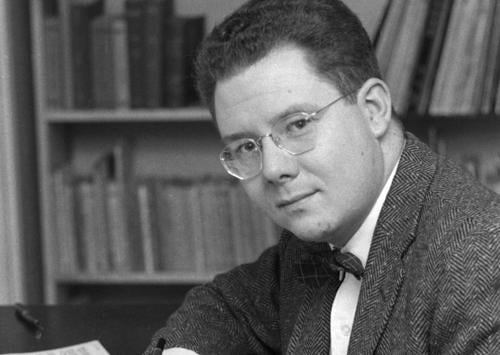
Easley Blackwood, Midwestern composer, pianist and educator at University of Chicago, discusses his music
Mar. 1, 1961 Studs and Mr. Blackwood discuss his musical theory of tonal composition, and Mr. Blackwood plays several excerpts of his piece "Chamber Work for Fourteen Winds" on the piano.
-
Easley Blackwood, Leonard Meyer and Ralph Shapey talk about standards of composition in contemporary music, part 1
1965 The program begins with an excerpt from BBC Radio about a hoax piece of music by Pietorzac (Hans Keller). Hans Keller and a friend went into studio and made noise and presented it as music. In this round table discussion the three gentlemen - all composers, musicians, and educators, discuss with Studs, contemporary music and the standards for defining a composition as music. In the second hour, they discuss what level of knowledge of music a critic should have in order to form a proper opinion of music. All animatedly offer their opinion to both the pro's and the cons.
-
Easley Blackwood, Leonard Meyer and Ralph Shapey discuss the standards of composition in contemporary music, part 2
1965 In this round table discussion the three gentlemen - all composers, musicians, and educators - discuss with Studs contemporary music and the standards for defining a composition in music. In the second hour they discuss what level of knowledge of music a critic should have in order to form a proper opinion of music. All animatedly offer their opinion to both the pro and the con. A movement of both Blackwood and Shapey compositions is played.
-
Easley Blackwood, David Schrader and Ramon Salvatore in discussion with Studs Terkel about music
Apr. 14, 1993 Presenting music published by Chicago record label Cedille Records including the music of composer and pianist Easley Blackwood along with David Schrader and Ramon Salvatore.