

-

Sidney Shapiro discusses life in China
Sep. 21, 1987 Studs Terkel speaks with translator and lawyer Sidney Shapiro about Shapiro’s life in China and what life was like there before and after the Communist Revolution. An audio clip is played of Dr. George Hatem discussing his experiences of being a doctor in China during the Long March.
-
Sidney Blumenthal discusses his book "The Permanent Campaign: Inside the World of Elite Political Operatives"
Jun. 25, 1980 Author Sidney Blumenthal discusses his book "The Permanent Campaign," touching on topics including political consultants, modern campaigning, and the election process.
-
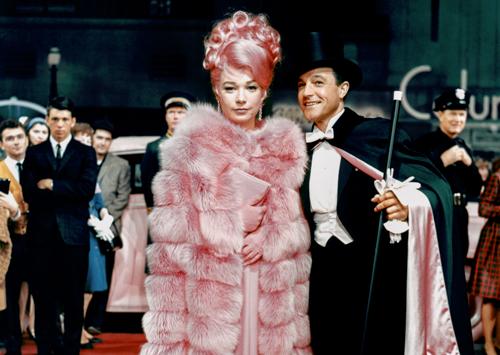
Shirley MacLaine discusses her travels to China
Mar. 28, 1975 Shirley MacLaine discusses her travels to China. Includes passages from her book "You Can Get There From Here." Includes Chinese children chanting. Includes a clip from an interview with Dr. Joshua Horn.
-
Shelley Berman reads from and discusses his role in "The Value of Names"
Apr. 4, 1983 In the play, "The Value of Names," Shelley Berman plays Benny Silverman, a role which he says is him, an actor from the Hollywood black list. Berman said being in Chicago, acting the role and working with the cast has been THE best experience of his life and when the show closes, it will be the saddest day of his life. The director of the play, Sandy Shinner, said she knew of the Hollywood black list but didn't know about all the personal stories. There is an excerpt of Vic Navasky.
-
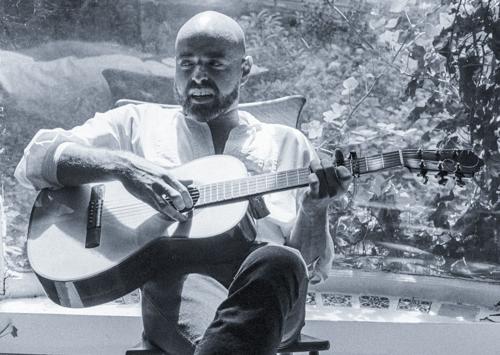
Shel Silverstein discusses his books, children's literature, and art; part 2
Nov. 20, 1961 Shel Silverstein discusses his books and children's literature, and art. Shel Silverstein discusses his contemporaries, art, and life experiences.
-
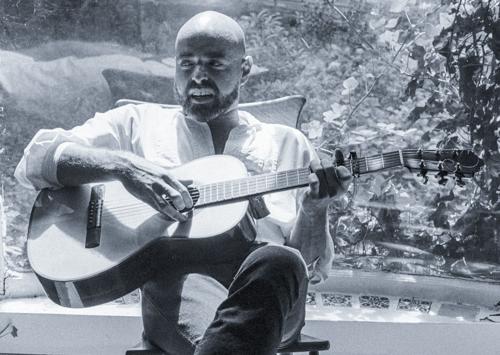
Shel Silverstein discusses his books, children's literature, and art; part 1
Nov. 20, 1961 Shel Silverstein discusses his books "Lafcadio: The Lion Who Shot Back" and "Uncle Shelby's ABZ Book".. Shel Silverstein discusses his books, children's literature, and cartoonists.
-
Sharon R. Curtin discusses the book "Nobody Ever Died of Old Age"
Jun. 7, 1973 In order to write her book, "Nobody Ever Died of Old Age", Sharon R. Curtin went undercover and pretended to be interested in nursing homes in order to visit the facilities. Curtin's book also offers praise for older people and outrage for their loneliness.*Please note: some sections have been edited out from the original recording due to copyright considerations
-
Shana Alexander reads from and discusses her book "Very Much a Lady"
Apr. 6, 1983 "Very Much a Lady: The Untold Story of Jean Harris and Dr. Herman Tarnower" is Shana Alexander's account of this true crime. Jean Harris had a 14-year love affair with Dr. Tarnower of the Scarsdale Diet fame. Alexander's book covers Jean Harris' background, her doomed triste and the trial after the tragic event.
-
Shana Alexander discusses her book "Happy Days"
Nov. 10, 1995 The book, "Happy Days: My Mother, My Father, My Sister and Me," gives a lot of background about Shana Alexander's father, Milton Ager. A few of Ager's songs are played throughout the interview. Alexander also glosses over her time spent with "Life Magazine," and with "60 Minutes."
-
Seymour M. Hersh reads from and discusses his book "My Lai 4"
May. 22, 1970 Innocent, unarmed villagers were murdered in the horrific massacre in March of 1968. In Seymour M. Hersh's book, "My Lai 4: A Report on the Massacre and Its Aftermath," Seymour further explains that to the soldiers, the killing was simply a game to them, of who could kill the most bodies.
-
Seamus Heaney talks about his poetry with Studs Terkel
Mar. 1, 1981 The Irish poet and playwright shares with Studs how he was drawn to poetry and how his education and early life in Northern Ireland helped him to find his voice.*Please note: some sections have been edited out from the original recording due to copyright considerations
-
Scott Ridley discusses the book “Power Struggle: The Hundred-Year War Over Electricity”
Feb. 25, 1987 Author Scott Ridley discusses the book “Power Struggle: The Hundred-Year War Over Electricity” and the corruption in the private power industry. Studs plays "Roll on Columbia" by Judy Collins (1972) and "Grand Coulee Dam" by Woody Guthrie (1941).
-
Scott McCloud discusses his book “Understanding Comics: The Invisible Art”
Jun. 30, 1994 Artist and author Scott McCloud discusses and reads from his book “Understanding Comics: The Invisible Art.” This discussion focuses heavily on the history of comics, or sequential art, and notable figures using this artform. Studs plays "Seven Studies on Themes of Paul Klee: 4. The Twittering Machine" - Gunther Schuller (1966).
-
Scott Donaldson in conversation with Studs Terkel
Aug. 1, 1992 Discussing the book "Archibald MacLeish: An American Life" (published by Houghton Mifflin) with the author Scott Donaldson.
-
Scott and Helen Nearing discuss their book "Living the Good Life"
Nov. 13, 1970 After being thoroughly disillusioned and disgusted with city life, Scott and Helen Nearing moved to a farm. They talk about homesteading in their book, "Living the Good Life: How to Live Sanely and Simply in a Troubled World". They built their house of stone and they farmed the land. They ate no meat, as they didn't believe in hunting or killing animals. The Nearings hadn't seen a doctor in over 40 years.*Please note: some sections have been edited out from the original recording due to copyright considerations