

-

Discussing the book "Interview" (published by Seven Stories Press) with author and interviewer Claudia Dreifus
Jun. 12, 1997 Discussing the book "Interview" (published by Seven Stories Press) with author and interviewer Claudia Dreifus.
-
-
Discussing jazz music with cabaret performer and jazz vocalist Spider Saloff
May. 14, 1997 Discussing jazz music with jazz vocalist and cabaret performer Spider Saloff. Spider Saloff discusses George and Ira Gershwin. Songs removed due to copyright.
-
-
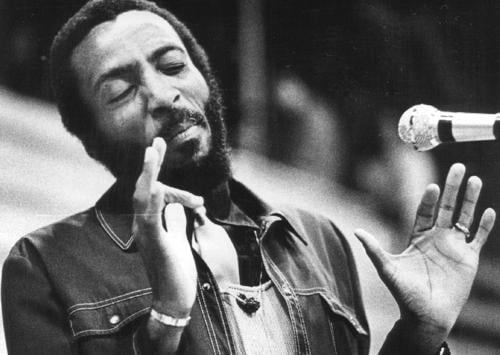
Dick Gregory discusses his career
May. 14, 1970 Lillian Smith excerpt opens the program.
-
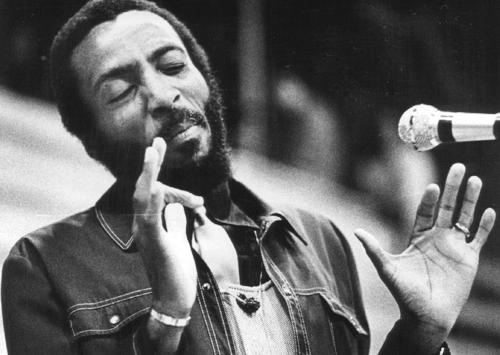
Dick Gregory discusses his book "Dick Gregory's Natural Diet for Folks Who Eat: Cookin' With Mother Nature"
May. 30, 1973 Comedian and activist Dick Gregory joins Studs Terkel to discuss his new book “Dick Gregory's Natural Diet for Folks Who Eat: Cookin' With Mother Nature.” Gregory talks about his experiences fasting for both political and health reasons, and he comments on hunger in America, the power of the navy bean, and changing trends in eating. The two discuss the peace movement and Watergate, and Gregory shares his experience as a black man in the military. Gregory believes that how you treat yourself and your body reflects how you treat others.
-
Dick Gregory discusses American politics
Dec. 17, 1964 This interview begins with a clip of one of Dick Gregory’s performances, where he talks about nonviolence and Native Americans. Studs Terkel introduces his guest as an observer, explaining that comedians are the best observers in society. Gregory offers extended analogies to communicate his views on a variety of topics, including the Vietnam War, race relations, segregation, human rights, and urban renewal. [The date is unclear, but it has to be after 1970, since the Kent State Shootings were mentioned]
-
Cliff Norton discusses his career
1960 When Cliff Norton performed his first live gig, he tried out his comedy on the band. Norton credits having good performances because of being given good material, funny material. Norton further explained that being an entertainer, one always has to be writing in order to maintain their creative edge.
-
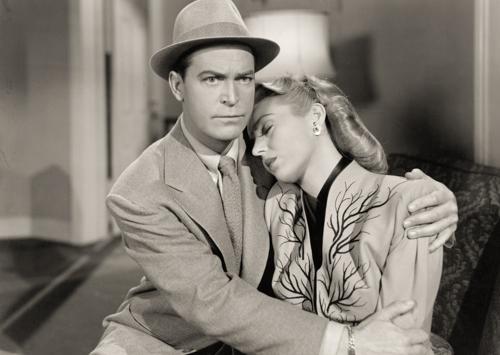
Chester Morris discusses theater and his Broadway production of "Advise and Consent" with Studs Terkel
Feb. 27, 1962 An interview with Chester Morris about his role in "Advise and Consent." They discuss theater and stage life for actors. Morris mentions numerous actors and actresses and stage productions. He discusses the business, status, and economics of acting.
-
Charlie Hill discusses his approach to comedy
Sep. 23, 1982 Charlie Hill talks about his comedy career, the portrayal and stereotypes of Native American Indians, and the Bureau of Indian Affairs.*Please note: some sections have been edited out from the original recording due to copyright considerations
-
Carol Channing discusses her perspective about being a musical and comedic performer
Sep. 19, 1961 In this interview Carol Channing discusses her work as artist: comedic timing; live/club performing; her connection with the audience as a performer; theater as a "spiritual world"; the concept of "opening nights"; creation of Mehitabel's (alley cat) voice; "Lorelei", and her ability deliver comedic characterizations and impersonations (such as Marlene Dietrich, Sophie Tucker, and Cecilia Sisson). Included in this interview are excerpts from the "Little Girl from Little Rock", "Madeline and Other Bemelmans", "Shinbone Alley".
-
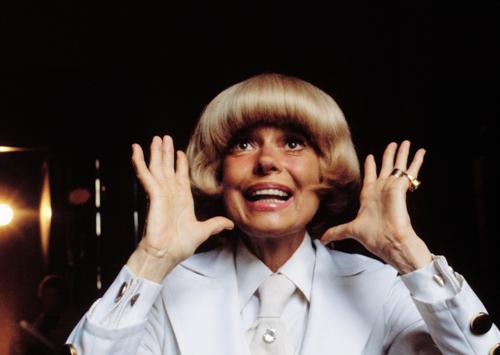
Carol Channing discusses her film and stage career
Jan. 28, 1972 This interview features singer and actress Carol Channing which discusses: the film "Shinbone Alley"; production of "Lorelei"; her grandmother; and her career. It begins with a musical excerpt from the animated movie "Shinbone Alley" featuring Channing singing as the alley cat Mehitabel. It also includes excerpts from the Broadway production called "Lorelei", examples of her character acting/comedy (as Cecilia Sisson), her reading of "Madeline and other Bemelmans", and a portion of the song "So Long Dearie" from the play "Hello, Dolly!".
-
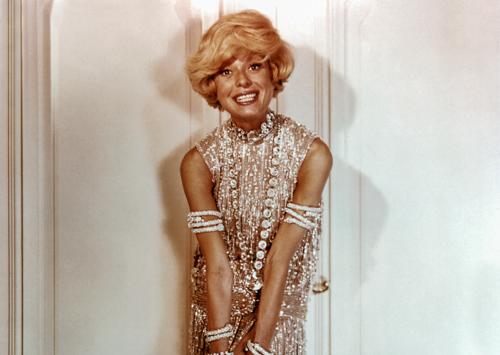
Carol Channing discusses her career
May. 11, 1959 Carol Channing discusses the following with Studs Terkel: her early career; her growth as actor/comedian; her approach to her work; her performance in "Lorelei" as Lorelei; her performance in "Wonderful Town" as Ruth; the job of the understudy; and breaking performance barriers and type casting.
-
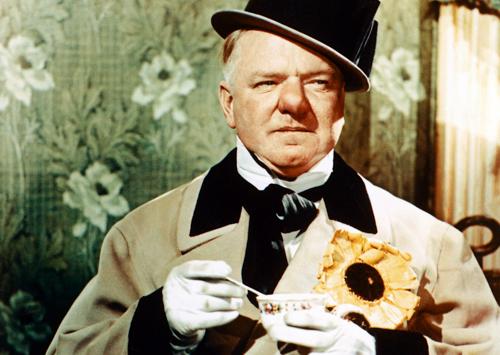
Carlotta Monti discusses W.C. Fields and her book "W.C. Fields & Me"
Jun. 7, 1971 Carlotta Monti discusses W.C. Fields and her book "W.C. Fields & Me".
-

Buster Keaton discusses the release of "When Comedy Was King"
Sep. 5, 1960 Silent film pioneer Buster Keaton discusses his career following the release of "When Comedy Was King," a compilation of some classic shorts by Keaton, Charlie Chaplin, Harold Lloyd, and others. Keaton reveals how they shot the early silent films, generated material and gags, how they planned big chase scenes, the resurging European interest in silent classics, and more. Studs asks Keaton about the stylistic differences between him and Chaplin, whether he would recreate silent films, and how they compare to today's film-making.