

-

Sister Mary William discusses the importance of Marillac House
Apr. 10, 1968 Content Warning: This conversation includes racially and/or culturally derogatory language and/or negative depictions of Black and Indigenous people of color, women, and LGBTQI+ individuals. Rather than remove this content, we present it in the context of twentieth-century social history to acknowledge and learn from its impact and to inspire awareness and discussion. When she was a teenager, Sister Mary William told her parents that she wanted to become a nun. Sister Mary wanted to become a nun so that she could love and help many people.
-

Sister Margot Lloran talks with Studs Terkel
Jan. 29, 1986 Discussing the political situation in the Philippines and the human rights organization Task Force Detainees of the Philippines (TFDP) with Sister Margot Lloran. The TFDP works with the Filipino people to craft a response to militarization.
-
-
Sister Dorothy Gartland in conversation with Studs Terkel
May. 2, 1985 Discussing the arrest and subsequent trial of peace demonstrators at the Great Lakes Naval Base near Waukegan, Illinois with Sister Dorothy Gartland.
-
Sister Betty Campbell and Father Peter Hind discuss El Salvador
Sep. 3, 1981 Sister Betty Campbell and Father Peter Hind discuss their missionary trips to Latin America. They talk about their time in Peru, Brazil, and El Salvador and working against difficult governments to help struggling people. They also recall some of violence they witnessed or heard about during the El Salvador Civil War, including the execution of four American missionary women.
-
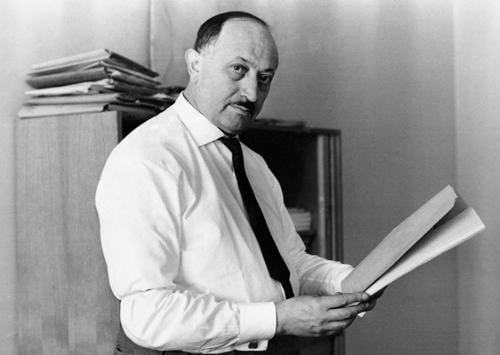
Simon Wiesenthal discusses World War II and The Sunflower
Mar. 12, 1976 Simon Wiesenthal discusses his advocacy work after surviving the Holocaust and the publication of The Sunflower in 1969.
-
-
Sidney Lens in conversation with Studs Terkel
Feb. 15, 1983 Discussing the book "The Maginot Line Syndrome: America's Hopeless Foreign Policy" (published by Ballinger) with the author, labor activists, and historian Sidney Lens.
-
Sidney Lens discusses his book "The Labor Wars"
Jun. 22, 1973 Unions, strikes, the eight-hour work day, and better pay are all topics from Sidney Lens' book, "The Labor Wars: From the Molly Maguires to the Sitdowns". This recording also includes an excerpt of an interview from the Flint sitdown in 1937 with a worker named Bob Stinson.*Please note: some sections have been edited out from the original recording due to copyright considerations
-
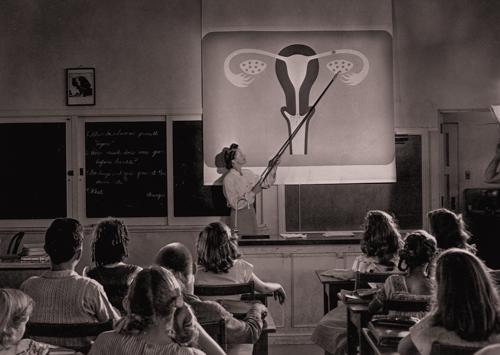
Shirley Bryant, Nancy Fisher, and Nicole Mills discuss sex education
Mar. 7, 1974 Shirley Bryant, Nancy Fisher, and Nicole Mills discuss how a new sex education based in the importance of feelings and the use of contraception.
-
Scott and Helen Nearing discuss their book "Living the Good Life"
Nov. 13, 1970 After being thoroughly disillusioned and disgusted with city life, Scott and Helen Nearing moved to a farm. They talk about homesteading in their book, "Living the Good Life: How to Live Sanely and Simply in a Troubled World". They built their house of stone and they farmed the land. They ate no meat, as they didn't believe in hunting or killing animals. The Nearings hadn't seen a doctor in over 40 years.*Please note: some sections have been edited out from the original recording due to copyright considerations
-
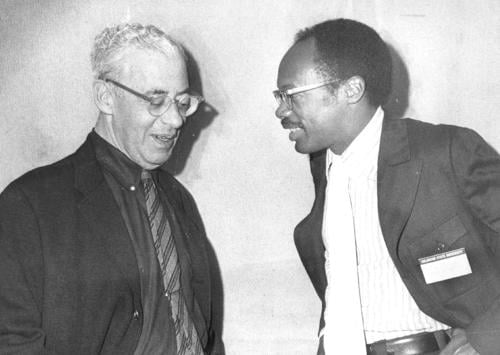
Saul Alinsky, American community organizer, political activist, and writer discusses his book "Rules for Radicals" with Studs Terkel
1971 Community organizer and social activist, Saul Alinsky speaks about his newest book, "Rules for Radicals," and reminisces about his work in the Back of the Yards neighborhood, his advocacy for African-American labor rights, and his connection with the Mexican-American civil rights movement in California. Although Studs' introduction states that this is a rebroadcast of a 1962 interview, that is incorrect. The interview was recorded in 1971.
-
Rory Gilbert and Nikki Nelson discuss battered wives and family abuse
Jul. 28, 1981 Rory Gilbert of United Charities and family therapist Nikki Nelson discuss battered wives and family abuse. The song "She Sits On The Table" by Tom Paxton is played at the end of the interview (00:49:48-end).
-
Ronnie Gilbert in conversation with Studs Terkel
Apr. 18, 1985 Interviewing folksinger and activist Ronnie Gilbert.
-
Ron Kovic discusses his autobiography "Born on the Fourth of July"
Jul. 29, 1977 Studs interviews Vietnam veteran and anti-war activist Ron Kovic upon the paperback release of his autobiography "Born on the Fourth of July." Kovic recounts his All-American upbringing and unblinking faith in the country and its ideals before volunteering for the Marines and Vietnam.