

-
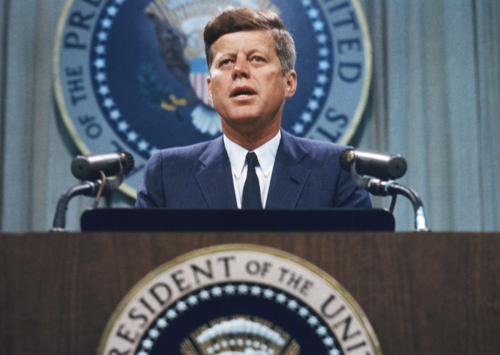
Daniel Boorstin discuses his book "The Image: A Guide to Pseudo-Events in America"
1960 Discussing the book "The Image: A Guide to Pseudo-Events in America" and interviewing the author Professor Daniel Boorstin.
-

Chicago area college teachers discuss recent grievances
1969 Discussing the role of the teacher and the Chicago Junior College teachers' grievances with Dr. Mary Mainwaring, Gordon Murray, Dr. Peter Senn and Dr. Morris Springer.
-
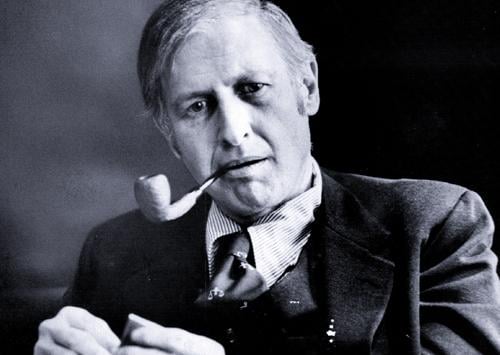
Charles E. Silberman and his wife Arlene Silberman discuss education
Sep. 15, 1970 Charles E. Silberman and his wife Arlene Silberman discuss education and Charles Silberman's book "Crisis in the Classroom". Includes a clip of Studs Terkel interviewing a student.
-
Carl Smith discusses his book "Urban Disorder and the Shape of Belief: the Great Chicago Fire, the Haymarket Bomb, and the Model Town of Pullman"
Feb. 27, 1995 Non-fiction author Carl Smith discusses his latest work which focuses on the history of Chicago. Topics covered include labor movements, specifically the Pullman strike and the 1970's case trial with the Chicago Seven.
-
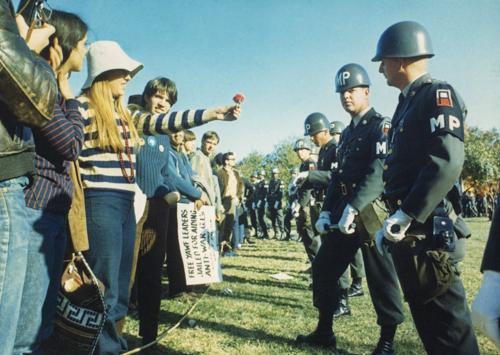
Bob and Joan Ericksen discuss the literary work of Peter Weiss and environmental ecology
1967 Bob and Joan Ericksen, both educators, artists, and environmental ecologists, discuss the literary work of Peter Weiss' "I Come Out of My Hiding Place" and environmental ecology. Excerpt of Peter Weiss reading from "I Come Out of My Hiding Place." The book speaks of why he writes and why he pursues his art (unknown source). The interview ends with a reading by Studs of an excerpt fro, Gustav Meyrink's "The Green Face."
-
Bill Ayers reads from and discusses his book "A Kind and Just Parent"
Jun. 25, 1997 Bill Ayers' book, "A Kind and Just Parent: The Children of Juvenile Court" takes a look at kids getting caught up and lost in the system. While observing in the courts, Ayers said all kids just became a thing.
-
Bill Ayers discusses his book "To Teach"
Jun. 23, 1993 According to Bill Ayers, in order to be a good teacher, one must 1st become a student of his/her students' lives. New ideas on how to become a better teacher are offered in Ayers' book, "To Teach: The Journey of a Teacher.'
-
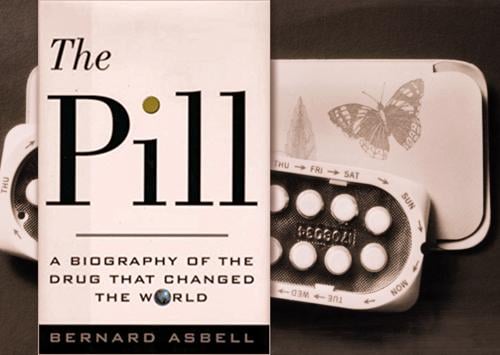
Bernard Asbell discusses his book "The Plll"
Jun. 14, 1995 Scientists, women, birth control, religion and ethics are among the topics covered in Bernard Asbell's book, "The Pill: A Biography of the Drug that Changed the World"
-
Beatrice Trum Hunter discusses her book "The Mirage of Safety"
Feb. 5, 1976 In her book, "The Mirage of Safety: Food Additives and Federal Policy, " Beatrice Trum Hunter warns the readers about the dangers of highly processed foods and chemical additives. By preparing a TV dinner, or a convenience food, Hunter says a person really doesn't save that much more time than they would by making a meal from scratch.*Please note: some sections have been edited out from the original recording due to copyright considerations
-
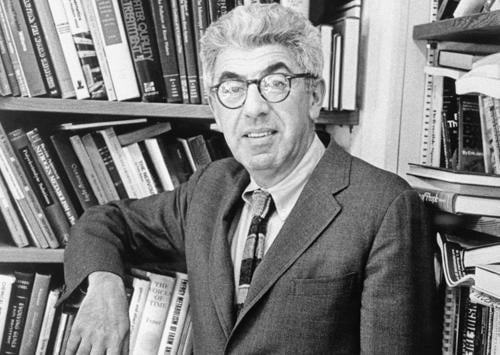
Barry Commoner discusses his book "The Poverty of Power: Energy and the Economic Crisis"
May. 20, 1976 Biologist and author Barry Commoner discusses his book "The Poverty of Power: Energy and the Economic Crisis."
-
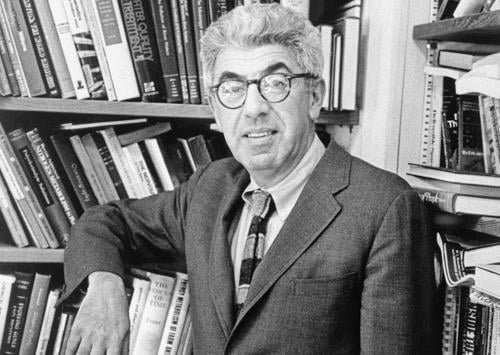
Barry Commoner discusses his book "The Politics of Energy"
Jun. 18, 1979 Scientist and educator Dr. Barry Commoner discusses his book "The Politics of Energy." Main topics include nuclear energy, solar energy, renewable energy and the future of energy.
-
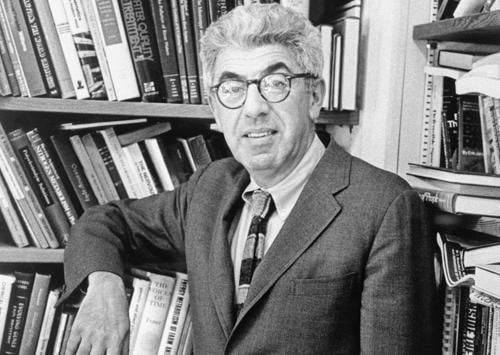
Barry Commoner discusses his book "Making Peace with the Planet"
Apr. 12, 1990 According to Barry Commoner's book, "Making Peace with the Planet," we, as the human species, are in and are witnessing a war between the ecosphere and the technosphere. Commoner explains that today's cars emit a lot of smog into the big cities. Trucks move consumer goods from place to place, using four times more fuel than trains. Everyone should ask themselves what is their interest in the quality of the environment and that of nature.
-
Anna Lisa Crone, Abigail Croydon, John Carswell in conversation with Studs Terkel
Jan. 13, 1987 Discussing the Soviet-American art exchange with Anna L. Crone, Associate Professor of Slavic Languages and Literature at the University of Chicago, Abigail Croydon, and John Carswell.
-
-
Andres Hernandez, Sarah Mellman, Danny Leonard, Larry Shapiro in conversation with Studs Terkel
Jun. 20, 1994 Interviewing Chicago educator Andres Hernandez, students Sarah Mellman and Danny Leonard, and teacher and parent Larry Shapiro. A first-year teacher at Oak Park-River Forest High School, Hernandez's contract was not renewed by the school district.